Bee Honey: High in Nutrition, but That Is Not the Whole Story
For thousands of years, bee honey has been regarded as more than just food. Across civilizations, it has served as a source of energy, a medicinal substance, and a symbol of natural abundance. Ancient societies valued honey not because they understood its chemical composition, but because they observed its effects on vitality, healing, and preservation.
Modern science has since confirmed many of these observations. Honey contains a wide array of nutrients and bioactive compounds, including natural sugars (primarily fructose and glucose), enzymes, amino acids, organic acids, minerals, polyphenols, and antioxidants. These components contribute to its antimicrobial activity, antioxidant capacity, and potential benefits for metabolic and immune health.
Yet, despite this scientific validation, contemporary discussions about honey often remain narrow. Honey is frequently evaluated only through simplified nutritional metrics such as:
carbohydrate concentration
caloric density
glycemic index
antioxidant scores
While these measurements are not incorrect, they represent only a surface-level understanding of what honey truly is.
Honey is not merely a sweet substance produced by bees. It is the end product of a multi-layered biological system—a living process shaped by interactions between plants, insects, and microorganisms. To understand honey fully, one must move beyond nutrition labels and into biology.
From Plant to Nectar: The First Biological Layer
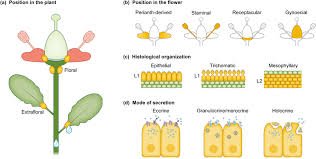
The story of honey begins with plants. Flowering plants produce nectar not as food for humans, but as an evolutionary strategy to attract pollinators. Nectar itself is already biologically active, containing sugars, phytochemicals, and trace compounds that vary depending on plant species, soil composition, climate, and environmental stressors.
This means that honey is inherently shaped by ecology long before bees ever interact with it. The botanical origin of nectar influences not only flavor and aroma, but also chemical complexity and bioactivity.
The Bee as a Living Processor
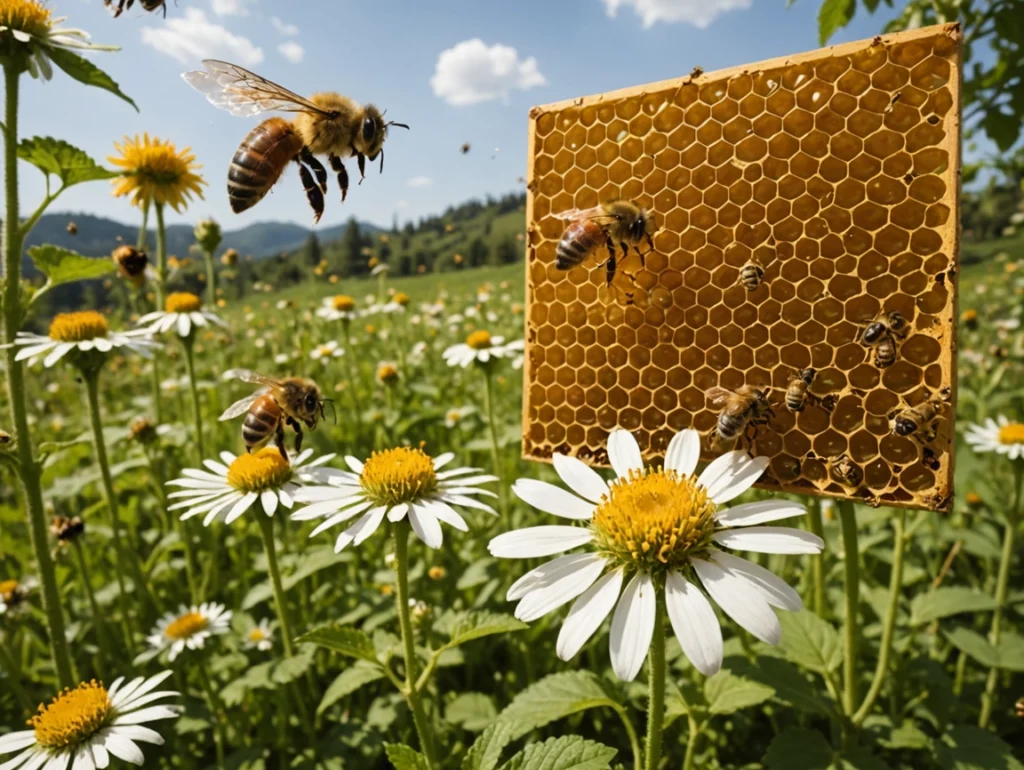
When bees collect nectar, they do not simply transport it. Inside the bee’s body, nectar undergoes enzymatic transformation. Enzymes such as invertase, glucose oxidase, and diastase are introduced, breaking down complex sugars and generating new compounds, including gluconic acid and hydrogen peroxide—key contributors to honey’s antimicrobial properties.
At this stage, honey is already no longer “plant-derived sugar.” It has become a biologically modified substance, transformed through insect metabolism.
The Overlooked Dimension: Microorganisms
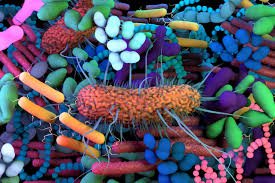
What is often absent from mainstream discussions is the role of microorganisms. Bees host their own microbial communities, particularly within their gut. These microorganisms interact with nectar during processing, subtly influencing honey’s chemical profile.
Emerging research suggests that honey may contain microbial metabolites and traces of microbial activity that contribute to its stability, bioactivity, and interaction with the human gut. This places honey within a broader category of biologically active foods shaped by microbial ecosystems, rather than as a simple sweetener.
Honey as a Living Outcome, Not a Static Product
By the time honey is stored in the hive, it has passed through multiple biological filters:
plant metabolism
insect enzymatic processing
microbial interaction
environmental conditions
The result is not a static substance, but a biological outcome—a snapshot of an ecosystem captured in edible form.
This perspective helps explain why honey cannot be fully understood through isolated metrics like calories or glycemic index alone. Two honeys with identical sugar content may behave very differently in the body due to variations in enzymes, acids, polyphenols, and microbial-derived compounds.
Why This Matters
Reducing honey to nutritional numbers strips away its biological context. When honey is viewed only as “sugar,” its complexity is lost. When it is viewed as a product of living systems, its uniqueness becomes clear.
Understanding honey in this way also invites deeper questions:
How do different environments shape honey at a biological level?
How do processing methods alter its living components?
How does honey interact with the human microbiome beyond basic digestion?
These questions move the discussion away from marketing claims and toward scientific curiosity.
A Shift in Perspective
Honey is not simply something bees make for humans to consume. It is a substance that emerges from relationships between life forms—plants, insects, and microorganisms—operating within a shared environment.
To understand honey properly is not just to analyze its nutritional content, but to recognize it as a biological narrative, one that reflects ecology, metabolism, and microbial life working together.
This is where the real story of honey begins.