Natural
Rooted in ingredients, ecosystems and processes found in nature.

MICROBA Science
Where Microbial Intelligence Transforms Nature
Fermentation is more than preservation. It is a living transformation in which microorganisms interact with natural ingredients, changing their composition, character and biological potential.
What is Fermentation?
Fermentation is a biological process driven by microorganisms such as bacteria and yeast. These tiny life forms transform natural substrates by breaking down complex compounds and producing new metabolites.
At MICROBA, fermentation is understood as a guided relationship between nature, microbes, environment and time.
Rooted in ingredients, ecosystems and processes found in nature.
Powered by communities of beneficial microorganisms.
Changes composition, flavour, structure and potential.
Practised across cultures long before modern biotechnology.
Nature, microorganisms, environment and time.
Communities interact rather than work in isolation.
Potential formation of acids, enzymes and peptides.
Temperature, time and conditions are carefully observed.
Observation becomes research and future knowledge.
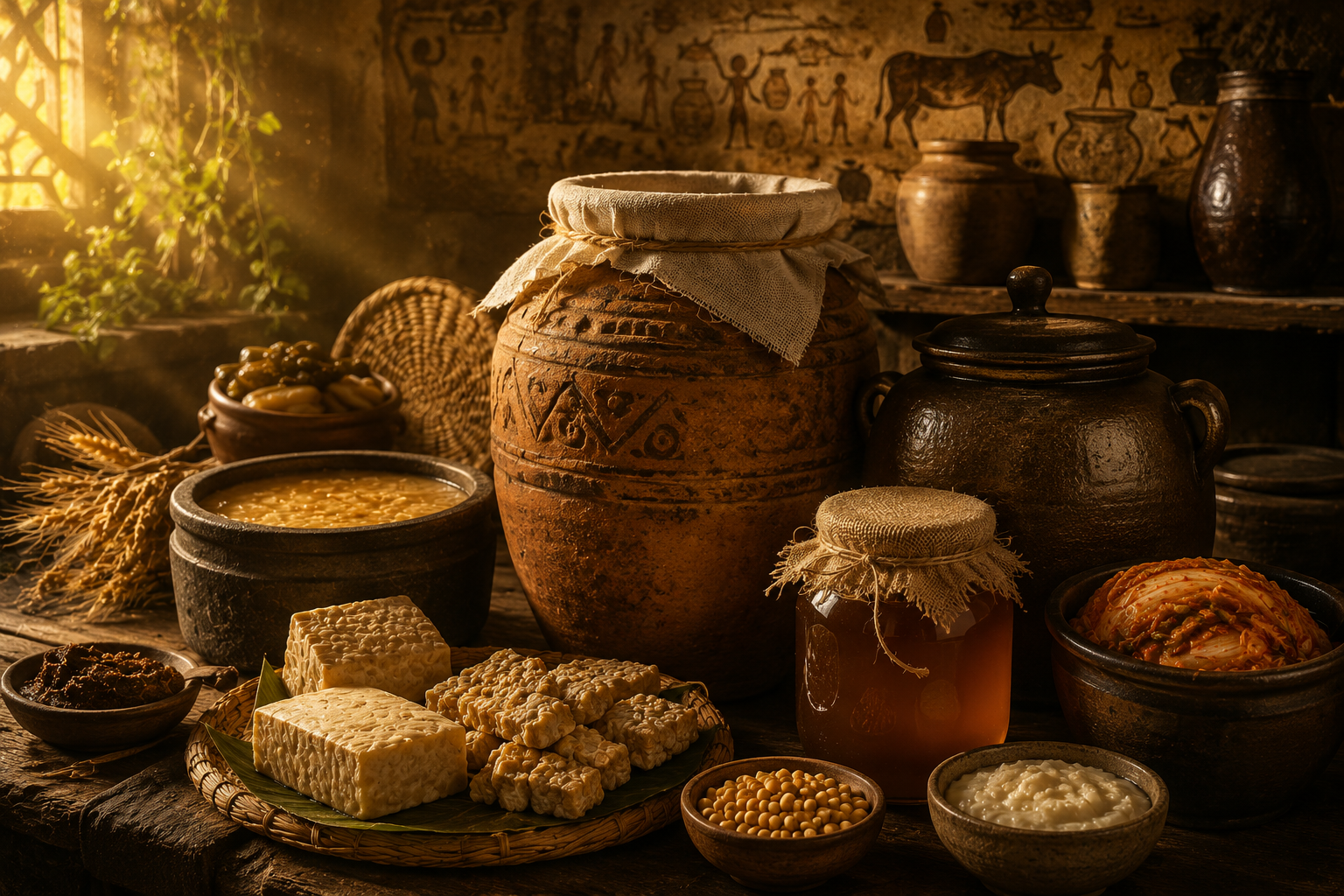
Nature's Oldest Biotechnology
Across generations and civilisations, communities learned that time and microorganisms could transform grains, fruits, milk, honey and botanicals into foods with new qualities.
Long before microbes were visible under a microscope, fermentation was already being practised through observation, repetition and inherited knowledge.
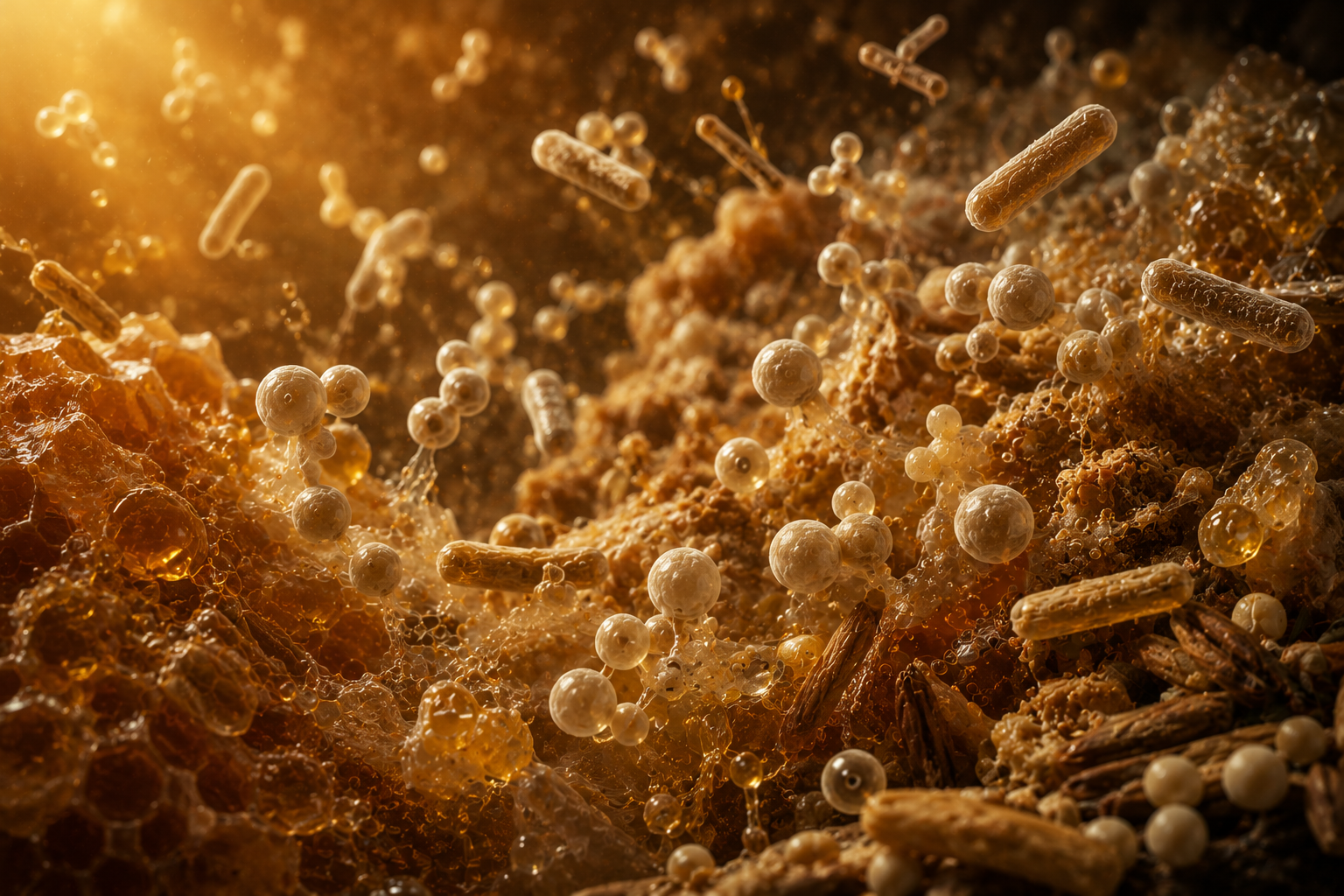
Microbial Transformation
Microorganisms can convert complex compounds into simpler forms while producing organic acids, enzymes, aromatic compounds and other metabolites.
The result is not simply a preserved ingredient, but a transformed biological environment shaped by microbial activity.
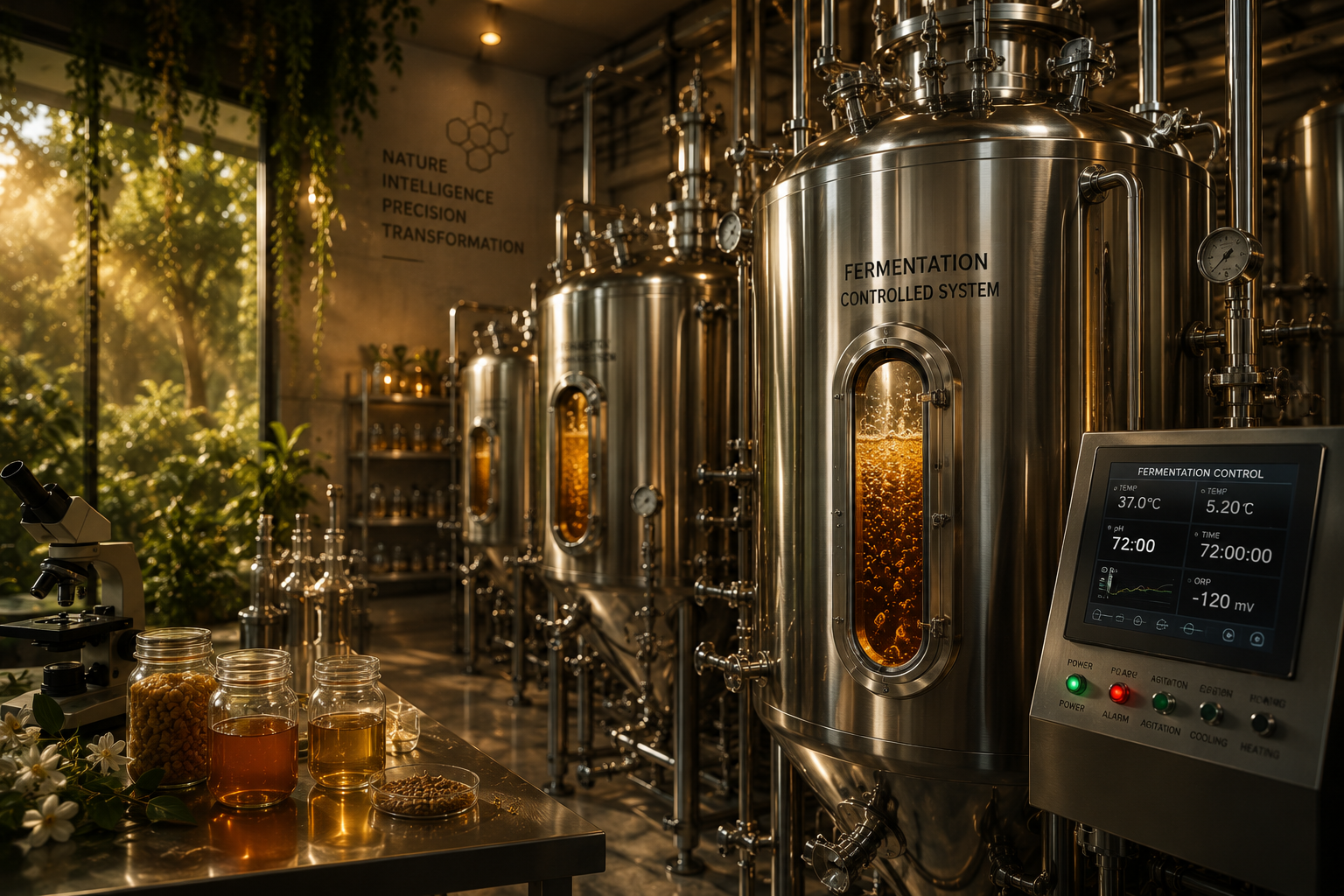
Controlled Fermentation
Controlled fermentation observes and guides key conditions such as temperature, time, acidity, oxygen exposure, microbial strains and the surrounding environment.
This does not replace nature. It creates a consistent framework in which natural microbial processes can be studied more carefully.
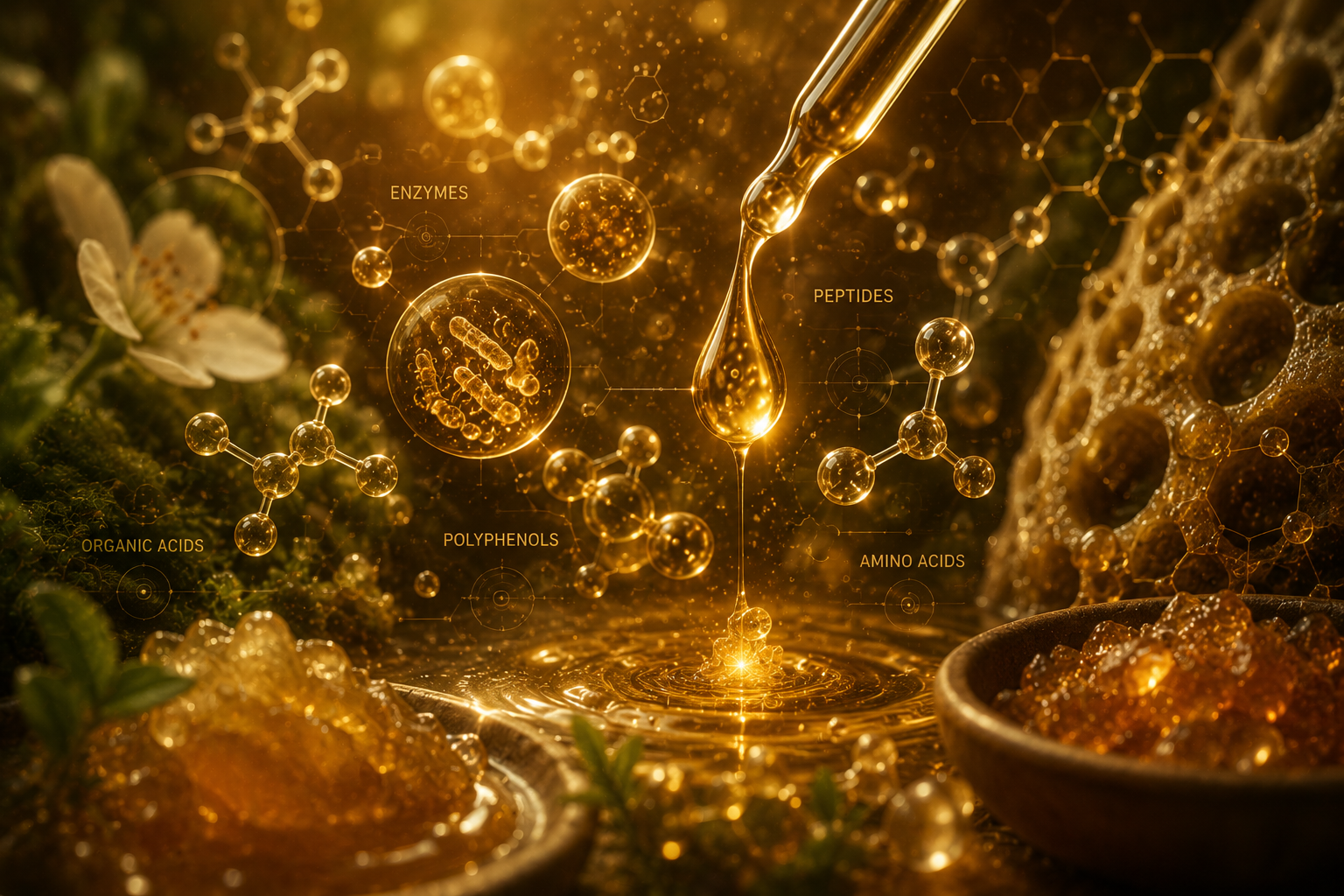
Potential Bioactive Compounds
During fermentation, microbial activity may influence the formation, release or accessibility of naturally occurring compounds.
These changes are a major focus of food science and functional nutrition research, but each ingredient and process must be evaluated on its own evidence.
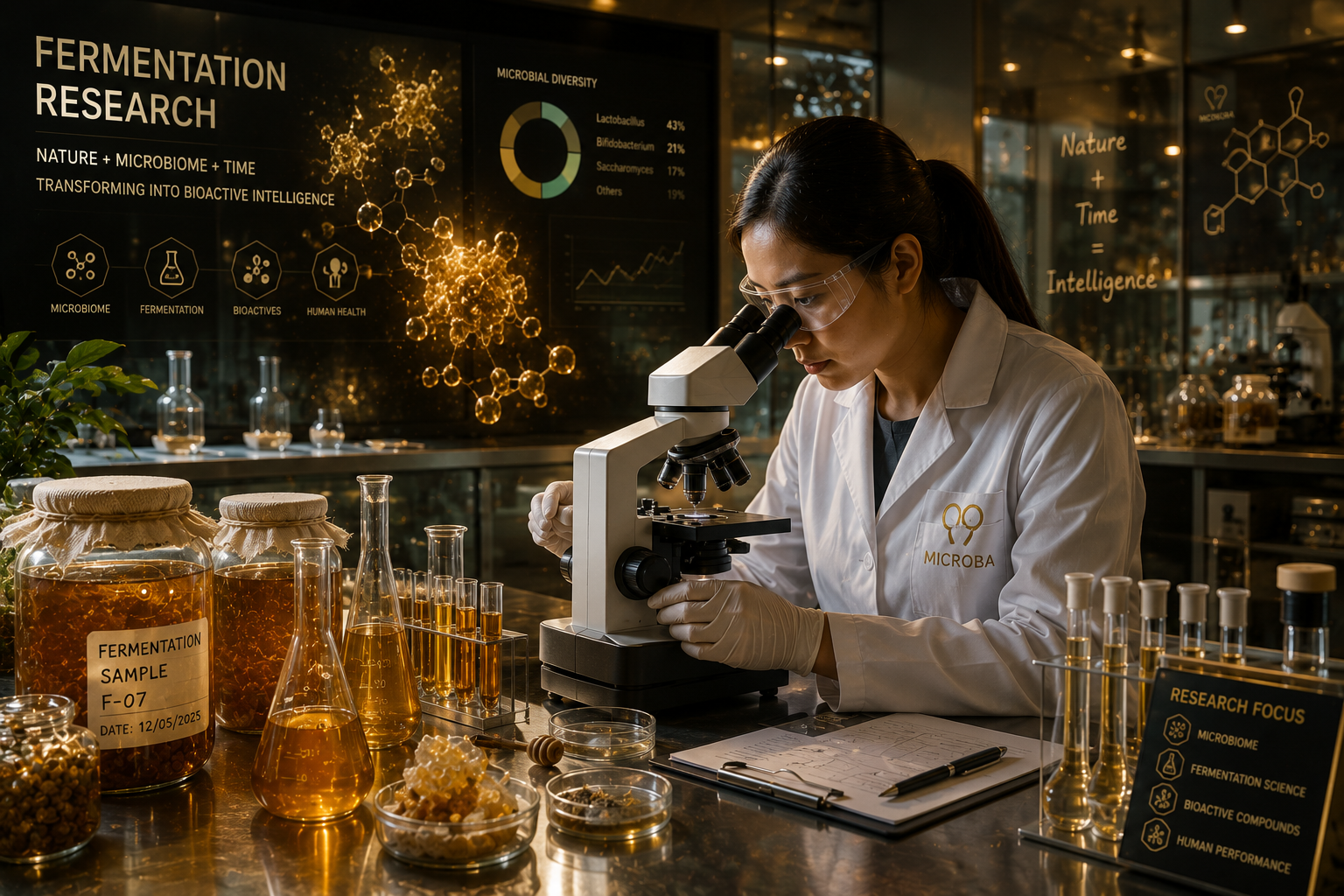
Research & Future
MICROBA approaches fermentation as a field of ongoing observation, experimentation and collaboration.
Our direction is to deepen understanding of microbial communities, process conditions, ingredient transformation and their potential relevance to future nutrition research.
From Nature to Transformation
Discover how MICROBA studies fermentation as a bridge between natural intelligence, microbial activity and the future of nutritional research.
Discover Our Formula