 01
01
Microbial Communication
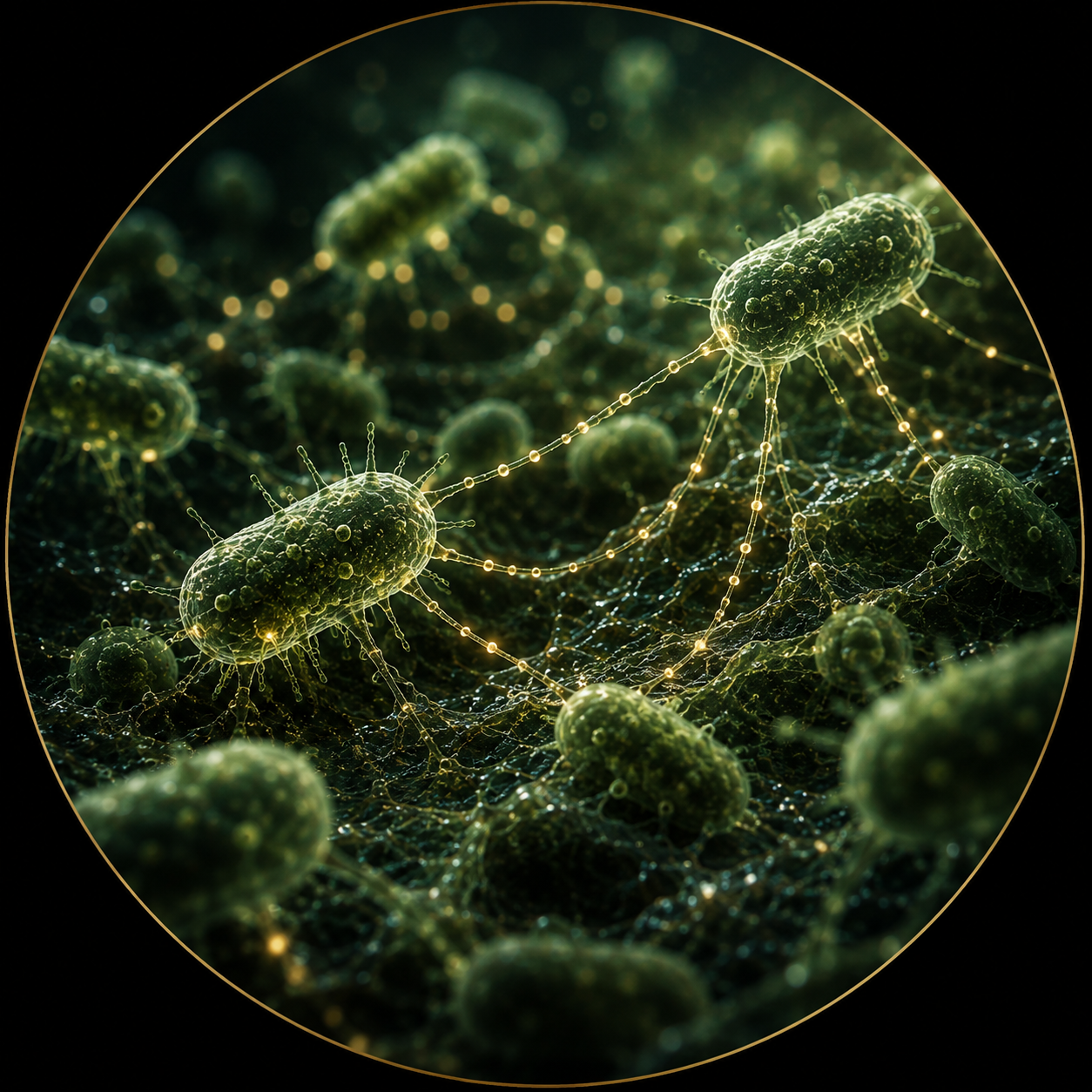
Microbes exchange chemical signals, electrical cues and molecular messages that help communities coordinate, respond and adapt.

DISCOVER THE LIVING WORLD
The invisible architects of life.
Microbes are not isolated tiny organisms. They live in dynamic systems that sense, respond, communicate and adapt—shaping the ecosystems that sustain life.
Explore the systemsA LIVING NETWORK
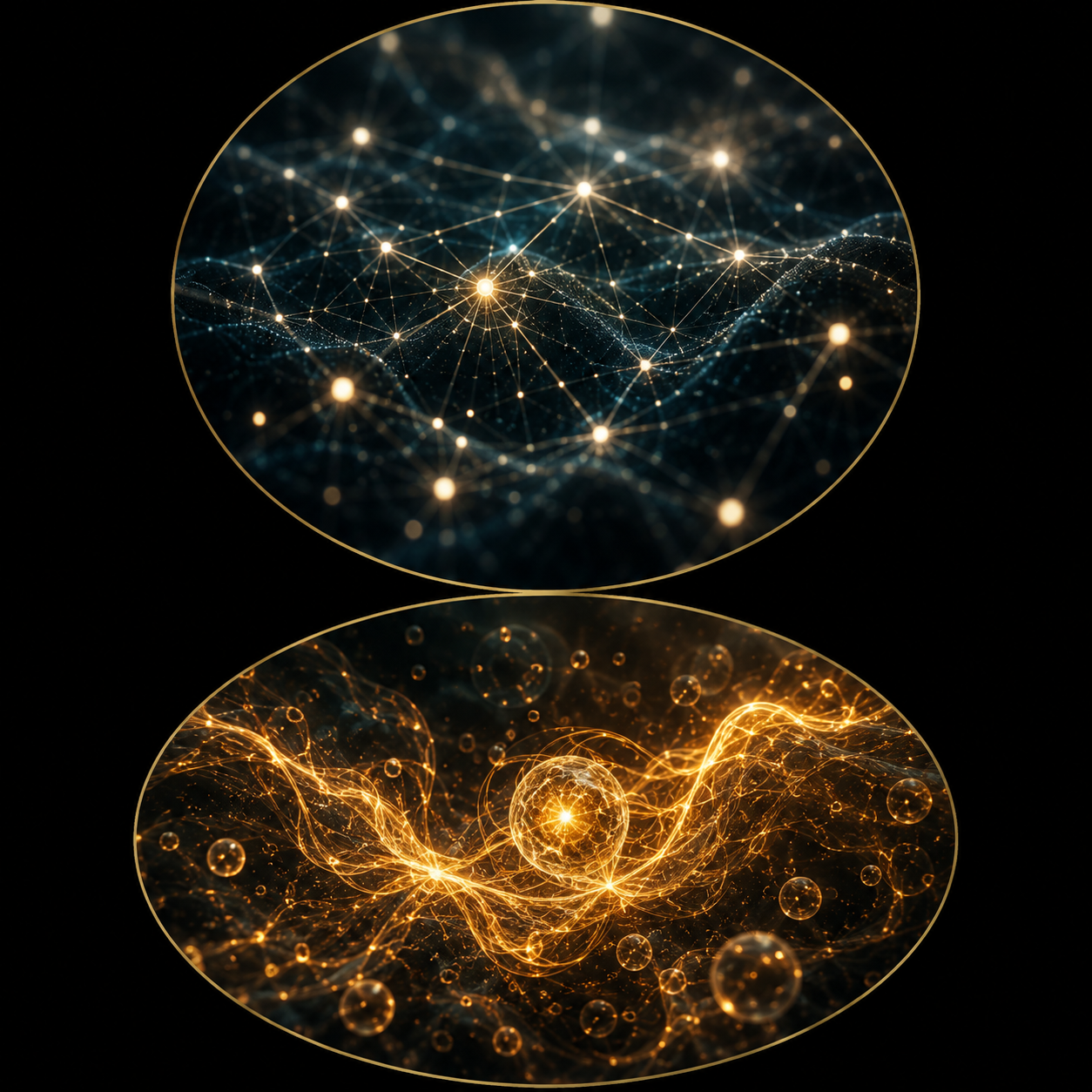
Living systems are dynamic networks of organisms, matter, energy and information interacting through relationships. They organise, regulate, respond and change over time.
From a drop of soil to the human gut, life emerges through connection. No organism exists entirely alone; each participates in flows, exchanges and conditions larger than itself.
Begin at Origin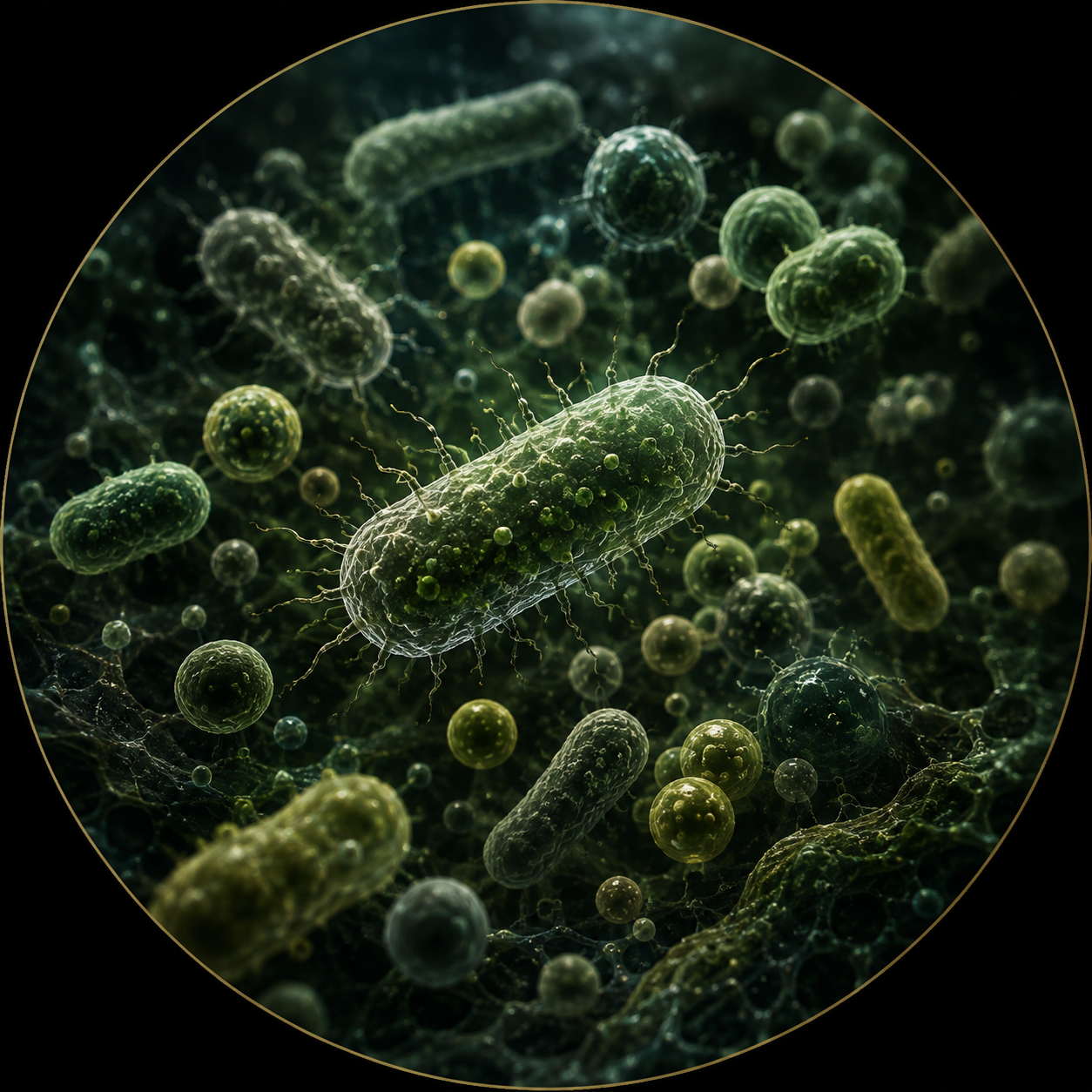


CORE SYSTEMS
These are not separate mechanisms. Each is part of a wider living reality in which organisms continually influence one another and their surroundings.
01
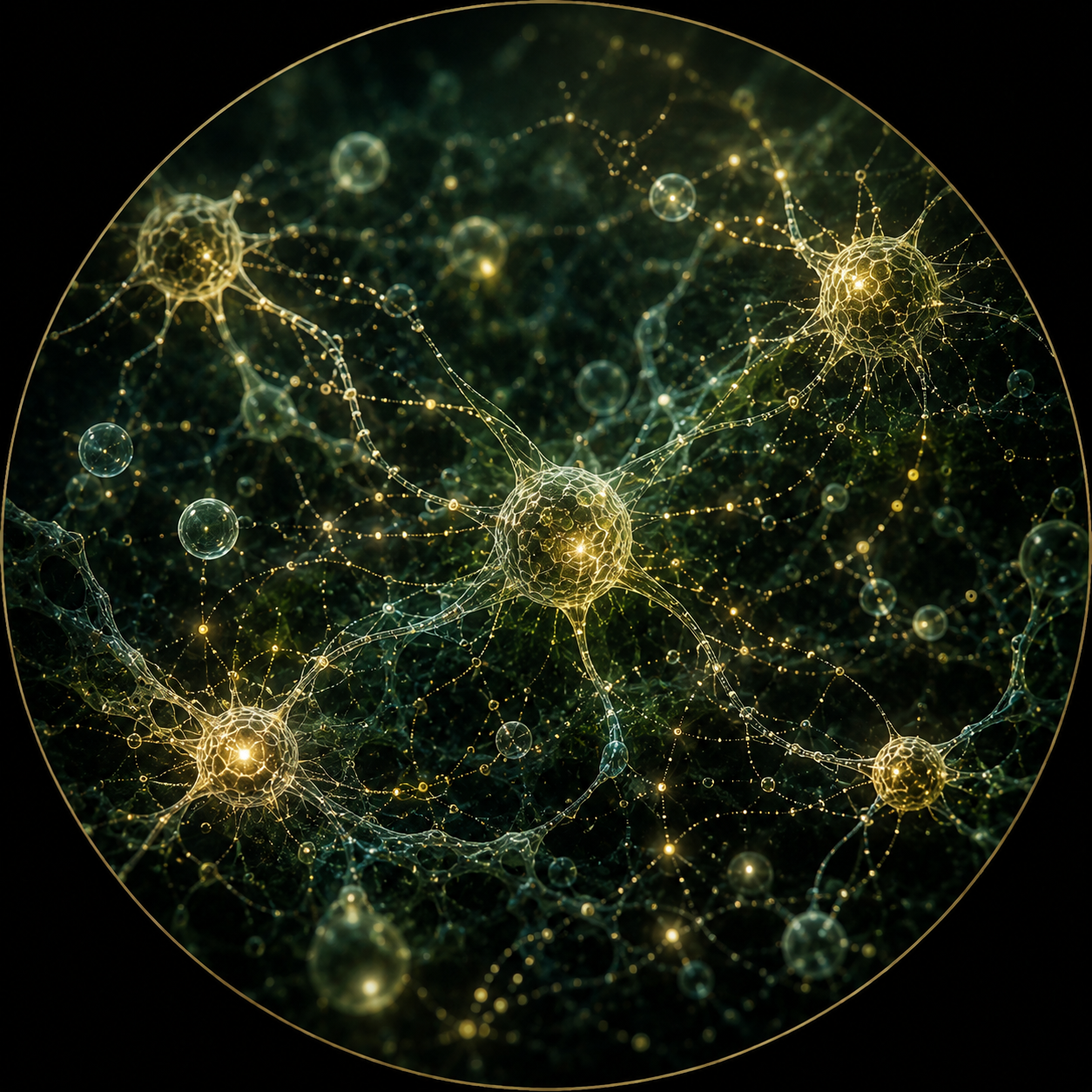
Microbes exchange chemical signals, electrical cues and molecular messages that help communities coordinate, respond and adapt.
 02
02
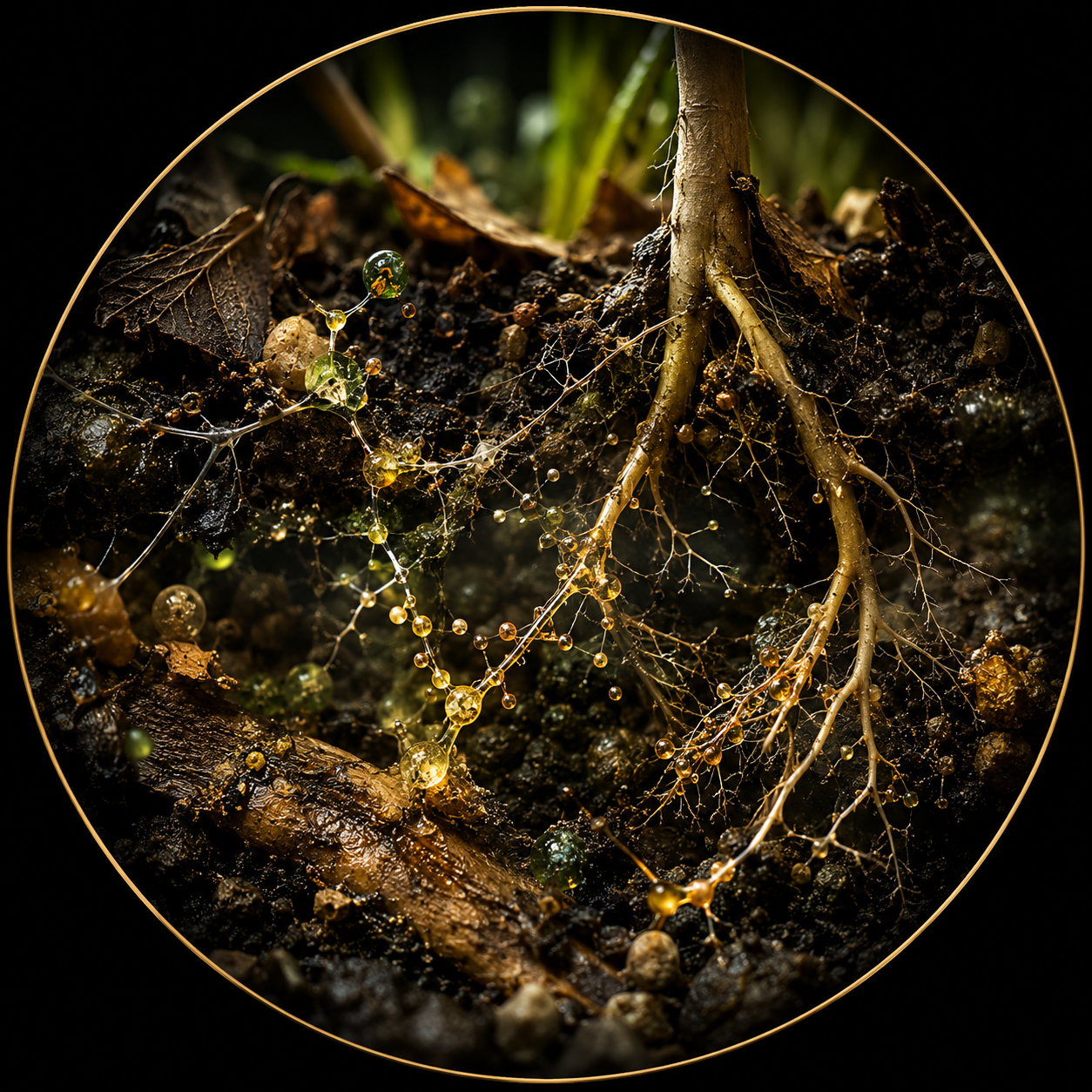
Microorganisms break down, transform and recycle nutrients, keeping soils, waters and ecosystems biologically active.
 03
03
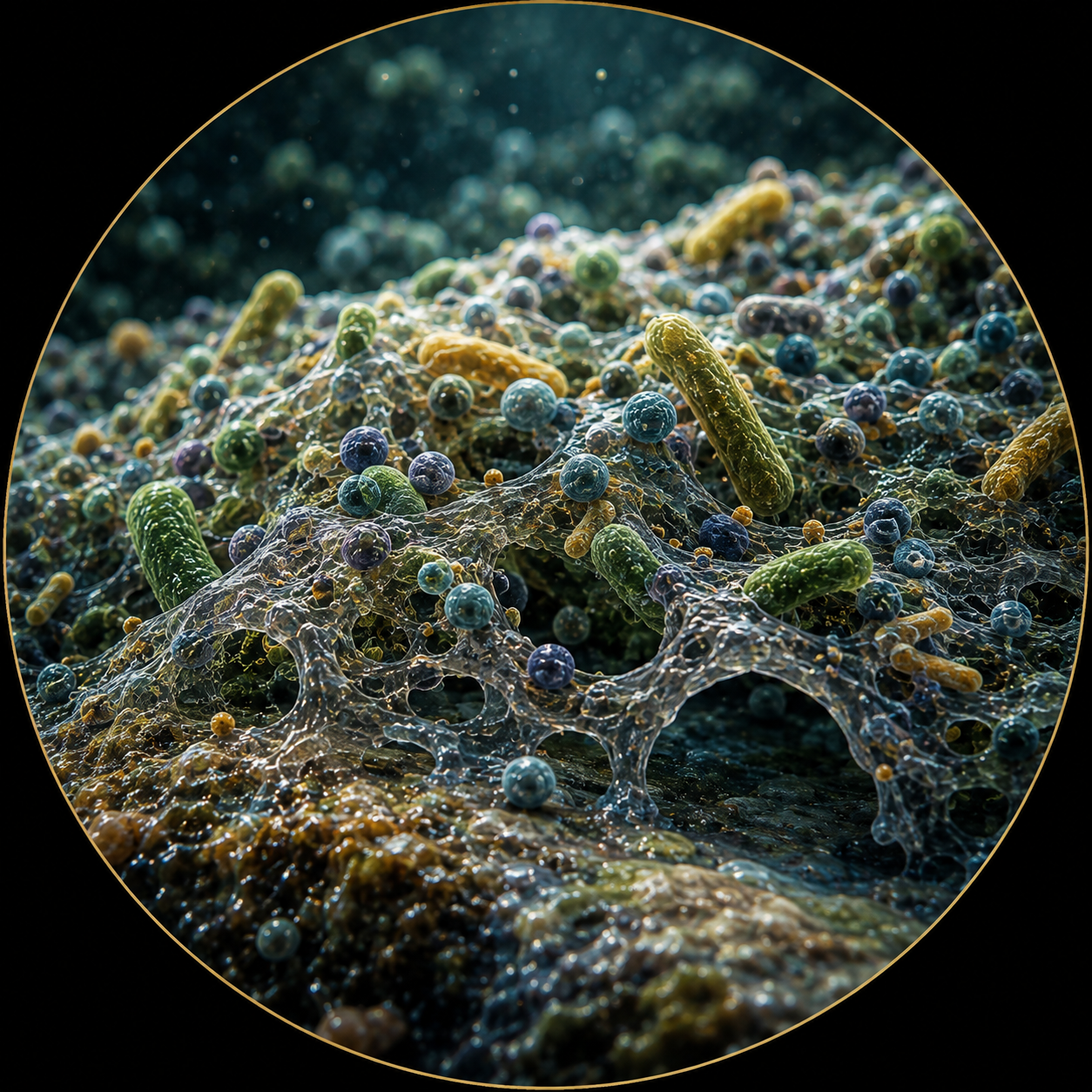
Biofilms are organised microbial communities whose shared structure can protect cells, shape exchange and support collective survival.
 04
04
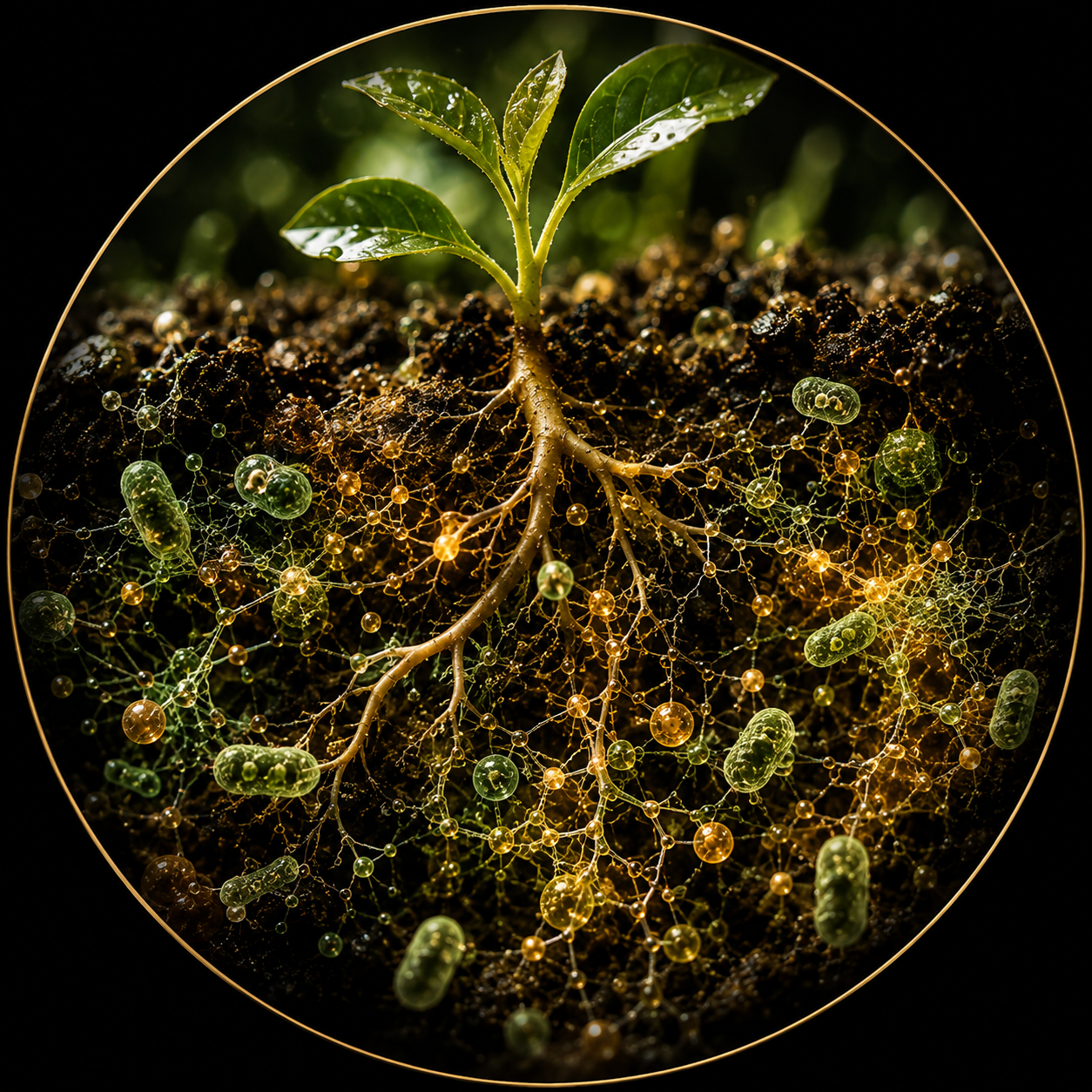
Microbes form relationships with plants, animals and other organisms, creating exchanges that can support resilience, nutrition and growth.
 05
05
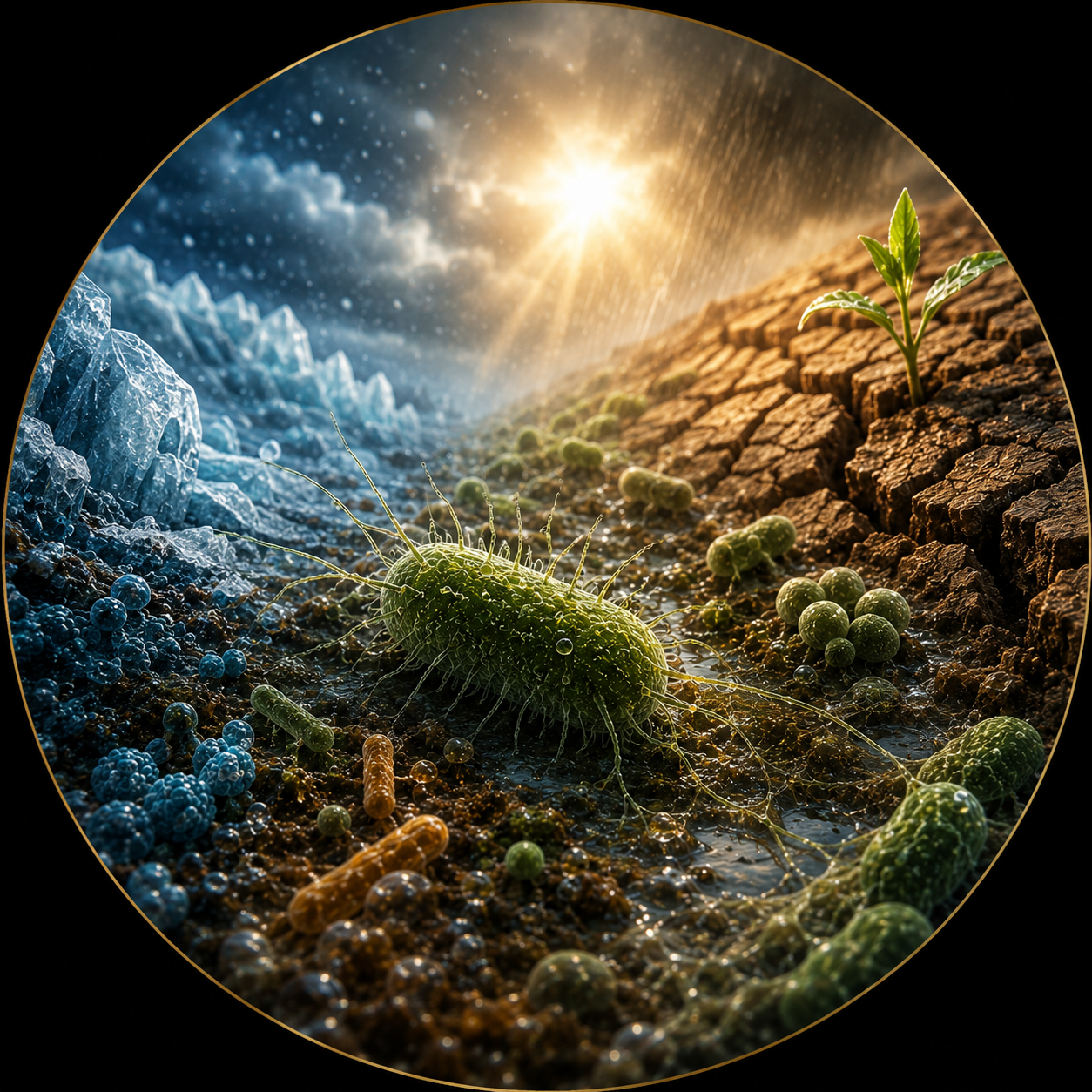
Living systems continually respond to changing conditions. Variation, selection and adaptation reshape microbial communities over time.
“When we understand living systems, we learn to live in harmony with life itself.”
MICROBA Philosophy