

LIVING KNOWLEDGE
Articles
Explore observations, explainers, research context and experiences across the living world.
Back to Knowledge
Context Before Conclusion
Context does not weaken a conclusion. It defines the boundary within which the conclusion is valid and shows what must be tested before it is generalized.

From Honey to a Living Fermentation Experience
The journey from honey toward fermentation is a story about habitat: microbial presence, water availability, temperature and time interact to create a new ecological state.

The MICROBA Moment: Why Place and Time Matter
The MICROBA Moment invites attention to place and time as part of experience: not as decoration, but as context for observing living change.

Preparing the Conditions for Continuation
Preparation means attending to habitat, sequence and relationship so that the next living stage has conditions in which it can occur.

Learning From Shared Experience
Shared experience becomes valuable when stories are kept distinct from evidence, context is recorded and comparison leads to better questions rather than premature conclusions.

Why Observation Becomes More Valuable When It Is Shared
Shared observation can reveal scale, variation and new hypotheses, provided the original context is preserved and collective attention is not mistaken for causal proof.

A Community Exploring the Living World Together
MICROBA Community brings observation, science, experience and conversation into relationship while keeping evidence, interpretation and personal experience clearly distinguished.

What Happens When Microorganisms Become Active Again?
Microbial dormancy and resuscitation show why absence of visible activity is not always absence of living potential. Environmental cues can reorganize which organisms become active.

Why Water Changes the Microbial Environment
Microbial growth depends on available water, not simply total moisture. Sugars, salts and food structure can change water activity and therefore change ecological possibilities.

Fermentation as a Living Process
Microbial succession, metabolism and environmental feedback make fermentation a living process that changes as organisms alter pH, nutrients, gases and metabolites.

Observation, Interpretation and Evidence Are Not the Same Thing
An observation is a result. Interpretation gives it meaning. Evidence is the wider body of observations, methods and reasoning used to judge a claim.

What Does Scientific Evidence Actually Tell Us?
Evidence can support presence, association, mechanism, timing or causation at different strengths. Good interpretation begins by asking what the study was designed to show.

Why MICROBA Begins With Observation
Observation does not replace science. It gives science questions: what is changing, where, when, under which conditions and in relationship with what?

Fermentation Begins With Conditions, Not Just Time
Temperature, water availability, acidity, nutrients, salt, oxygen and starting communities influence which microorganisms become active and what they produce.
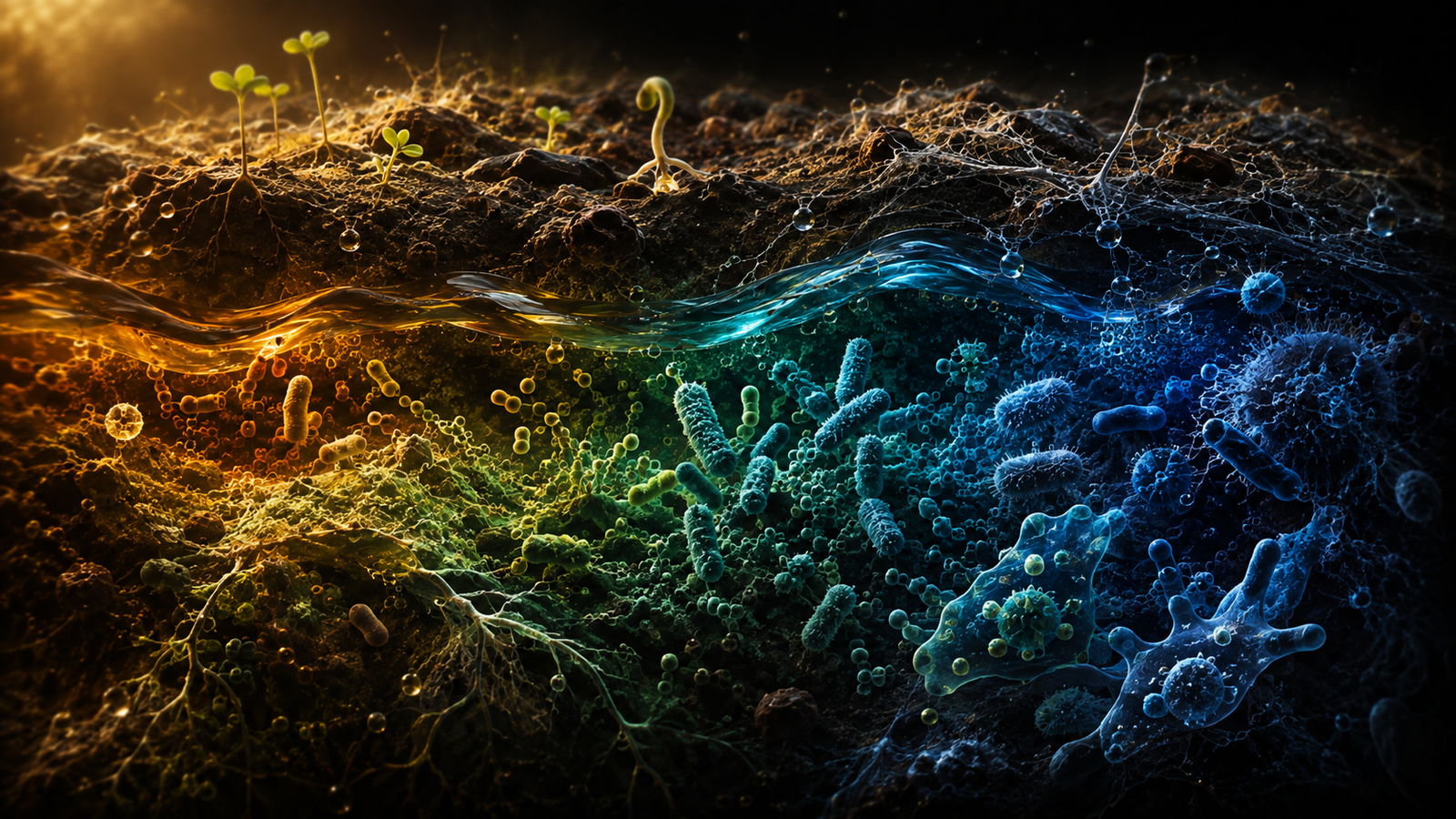
Change Is Part of Every Living System
Stability in biology is not the absence of change. Microbial communities can shift, recover, reorganize and sometimes move into new states while the larger system continues.
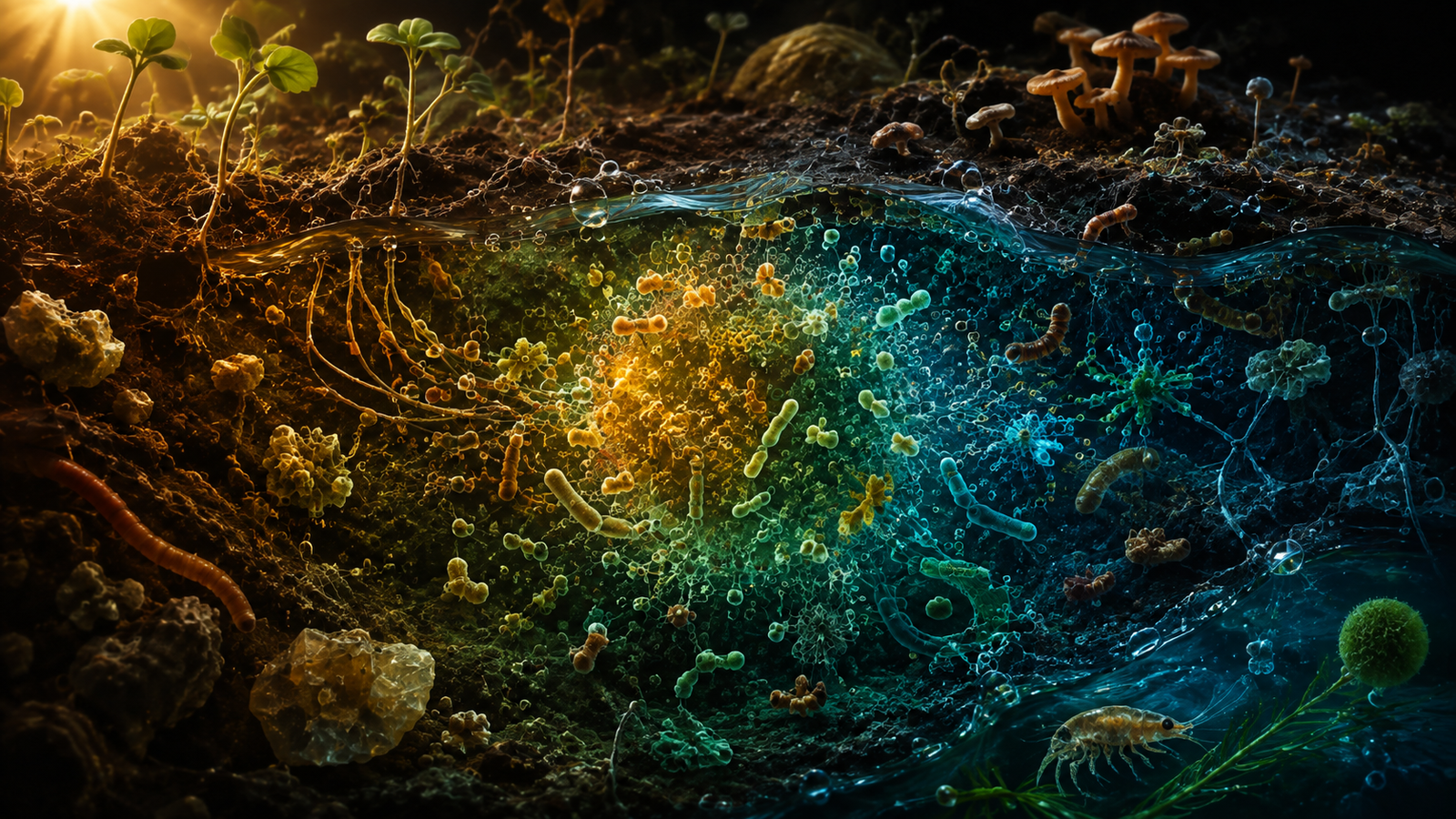
Why Living Systems Cannot Be Understood in Isolation
Studying one organism can reveal mechanisms, but community behaviour often depends on neighbours, host conditions, spatial structure and resource exchange.
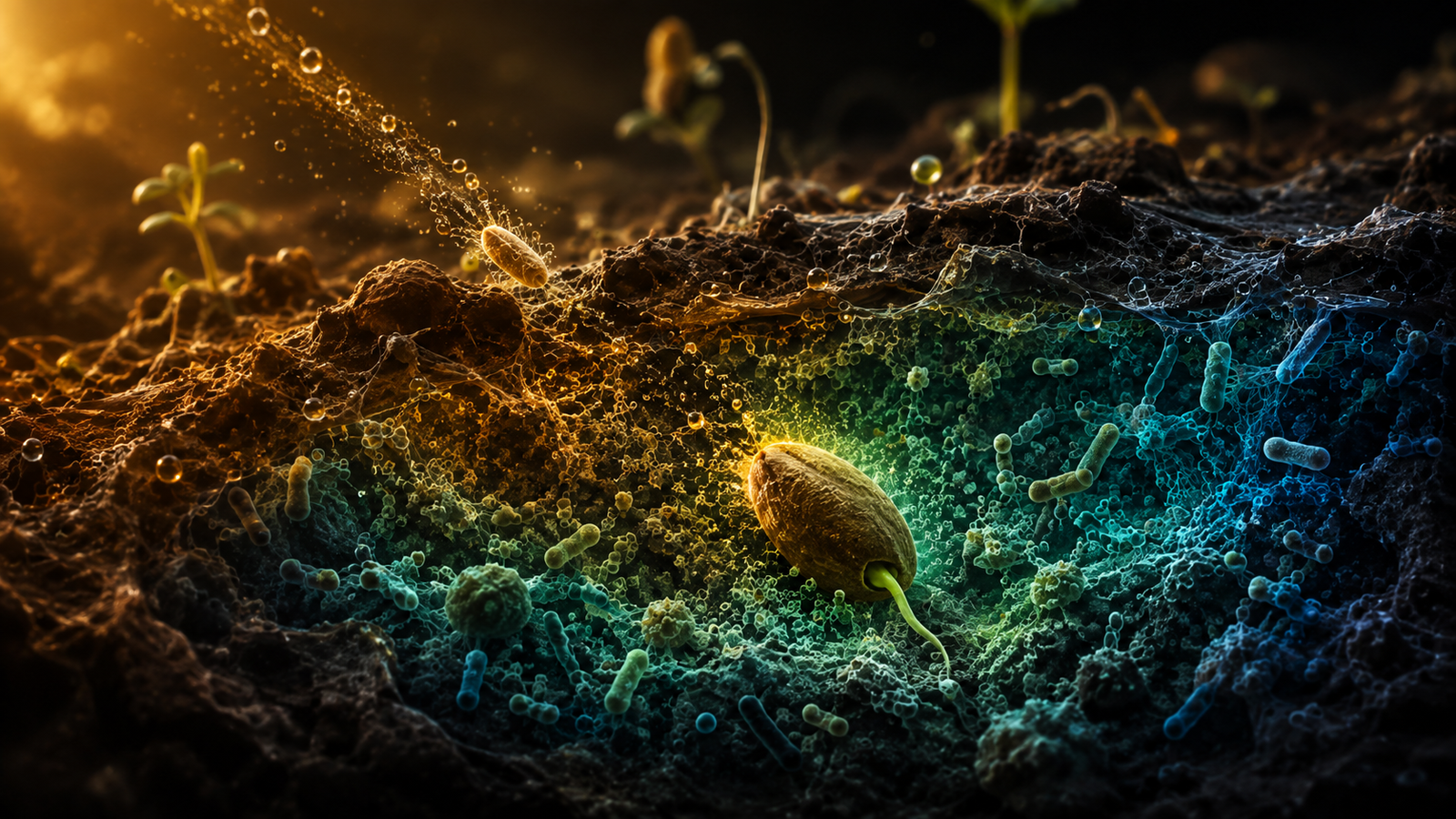
Habitat Comes Before Continuation
A seed, a microorganism or a community cannot continue by identity alone. Continuation depends on finding or creating a habitat that supports the next living stage.
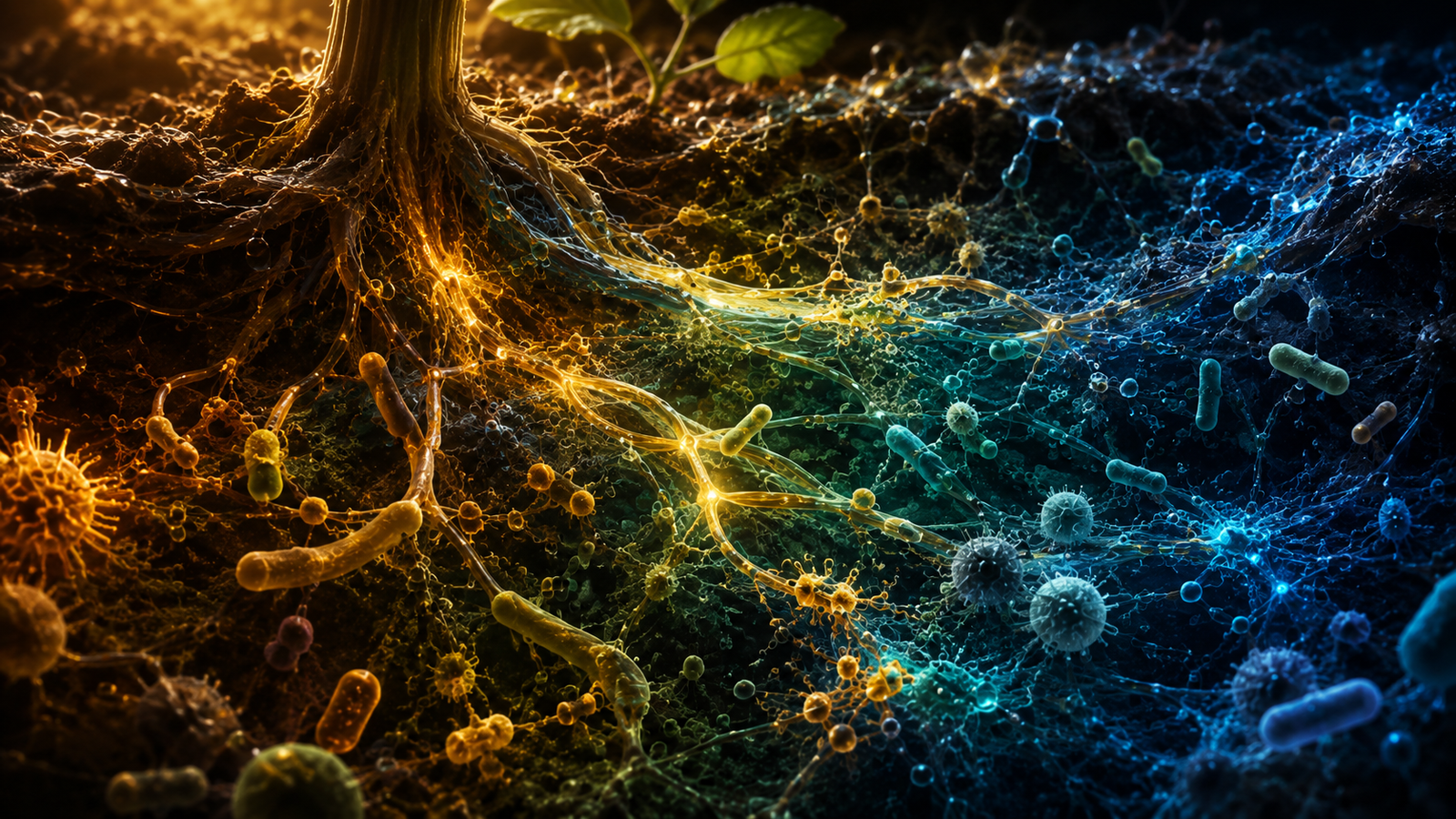
Life Depends on Relationships
From microbial cross-feeding to host-microbe exchange, living systems are shaped by relationships that can cooperate, compete, constrain and enable.
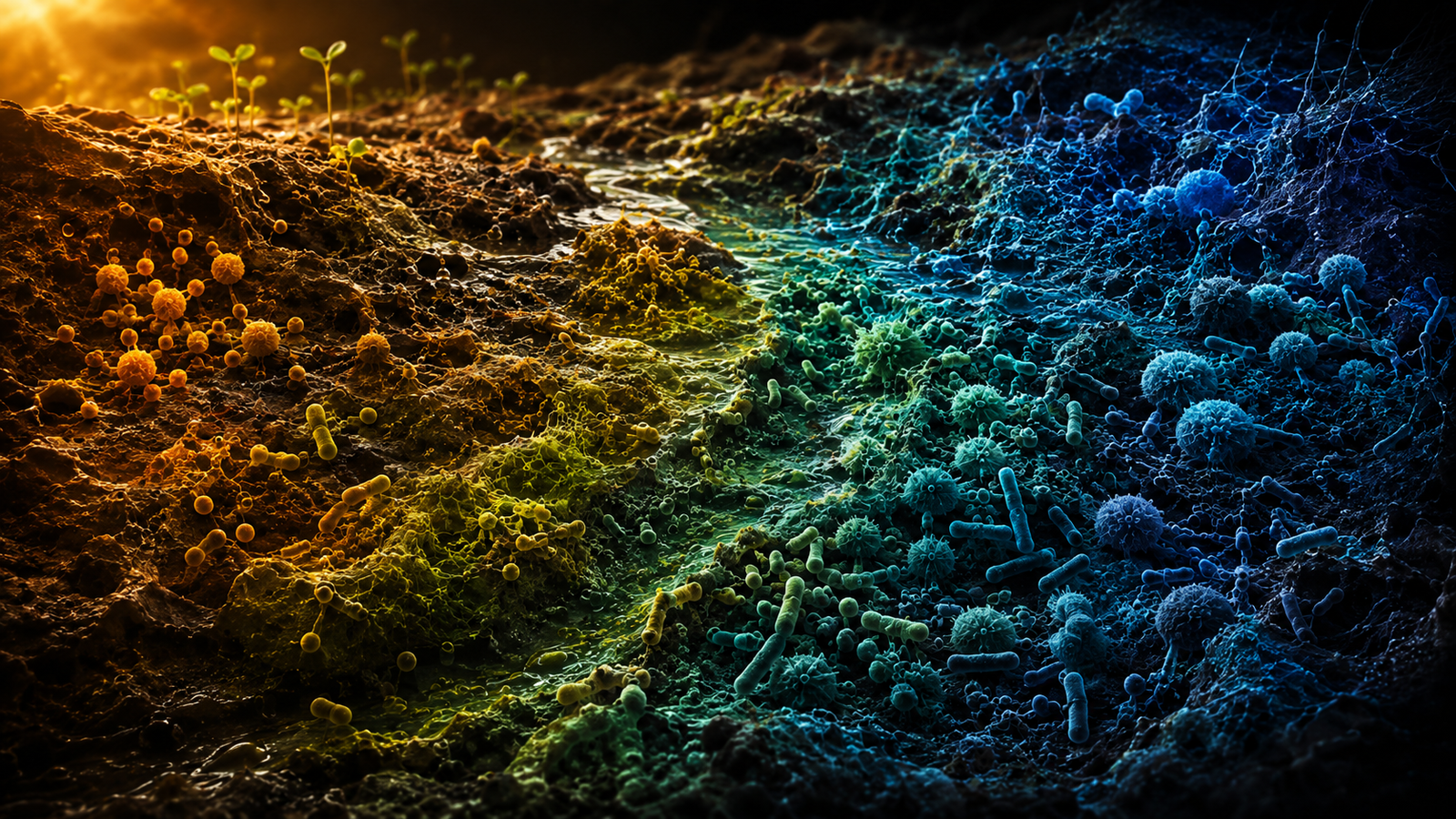
How Microbial Communities Change Across Space
Space organizes microbial life. Body sites, gut regions and even layers within a biofilm can contain different communities because local conditions and relationships change across distance.

Why Context Matters When Studying Microorganisms
Species identity alone does not determine microbial behaviour. Nutrients, neighbours, host biology, temperature, oxygen and history can all change what an organism does.
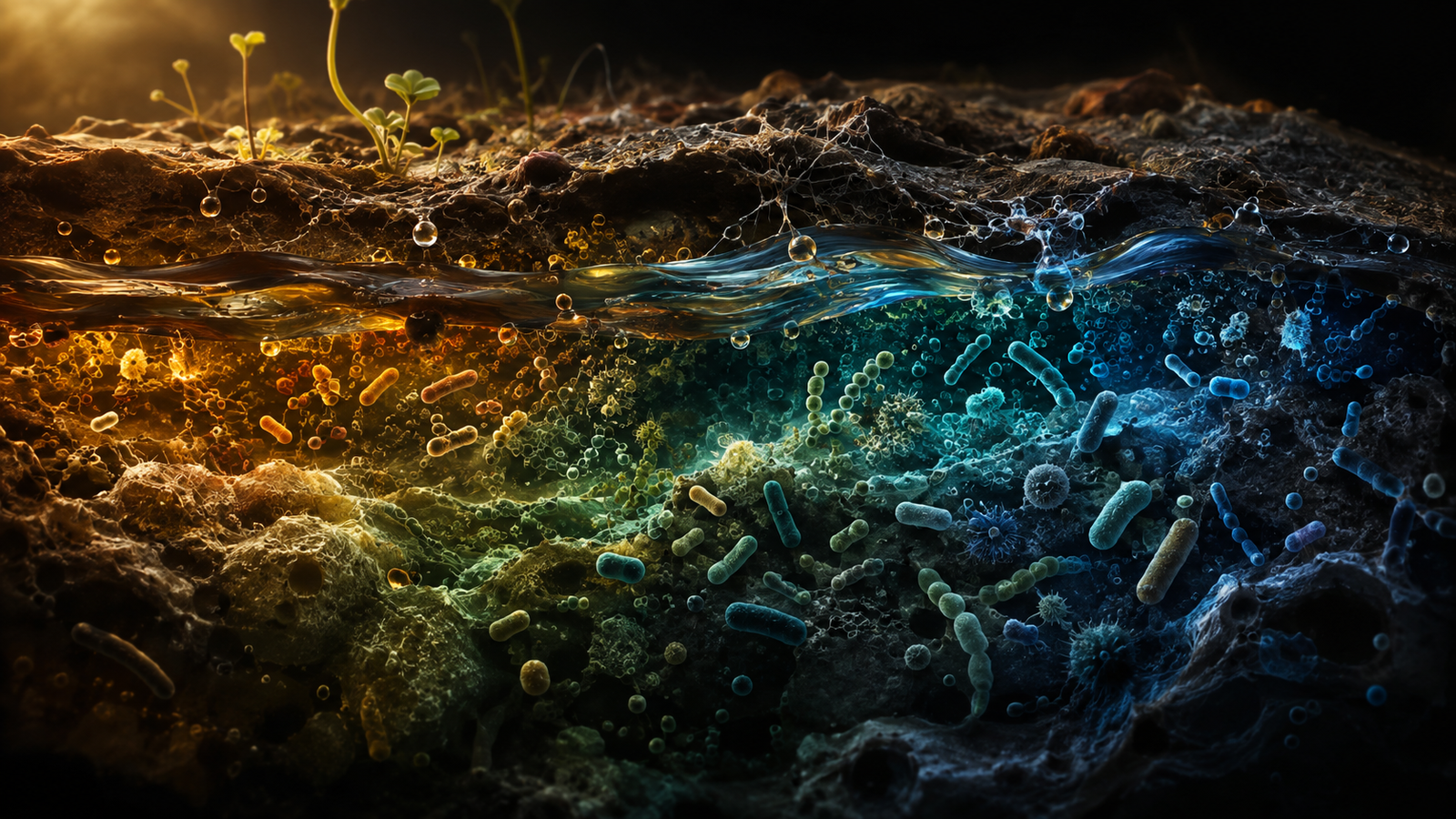
What Shapes a Microbial Habitat?
A microbial habitat is a set of conditions, not just a location. Small differences in moisture, oxygen, acidity, nutrients and structure can support very different communities.

The Human Microbiome Is Not One Thing
The mouth, skin, gut and other body sites do not host one uniform microbiome. Each presents different conditions, communities and relationships.
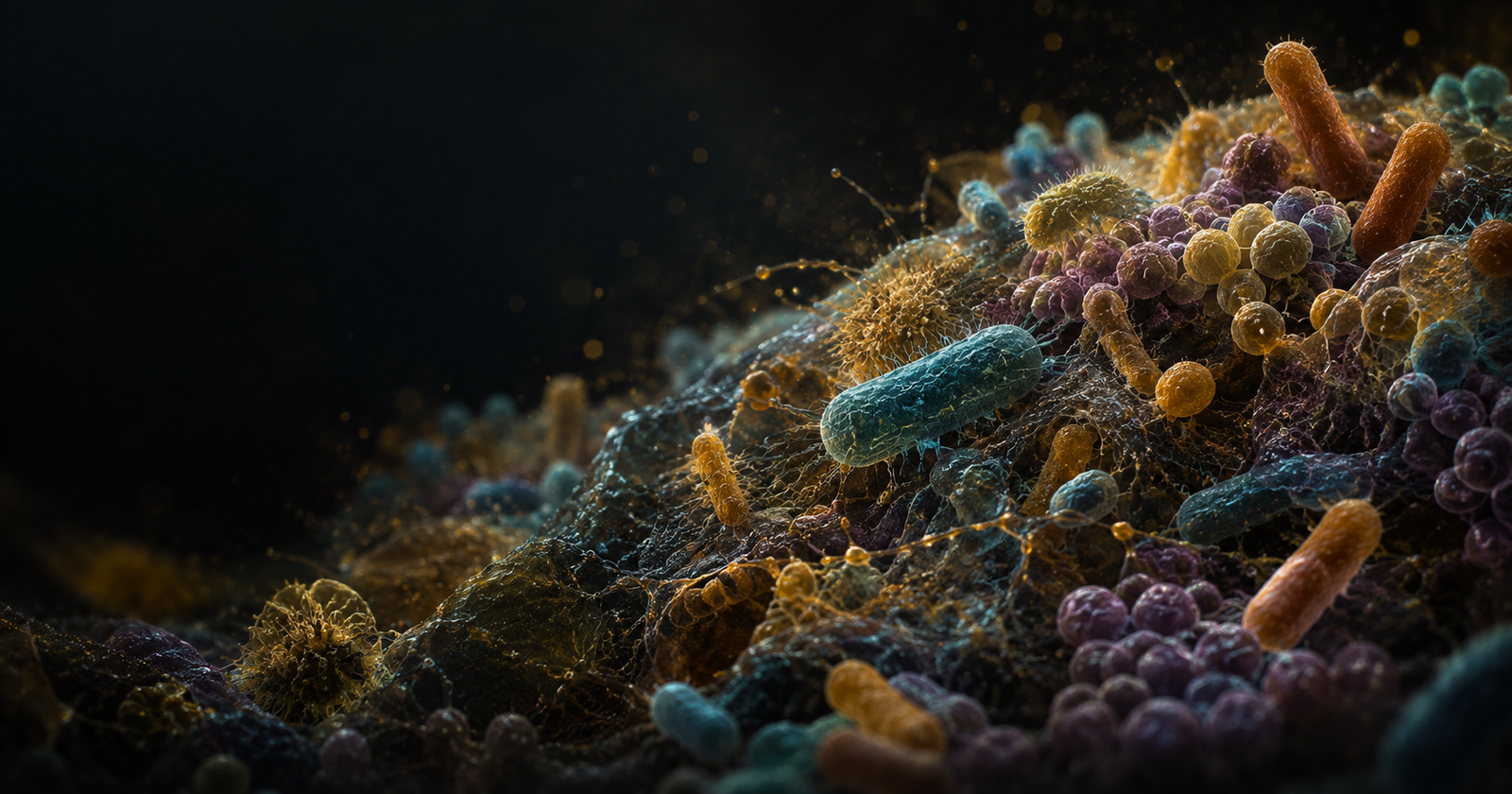
Microorganisms Live in Communities, Not Isolation
Microbial life is relational. Cooperation, competition, exchange and spatial organization can change what individual microorganisms are able to do.

Why the Honey Bee Gut Is Not One Habitat
The honey bee gut is a sequence of distinct microbial habitats. Understanding where microorganisms live helps us understand what they may be doing and why context matters as much as identity.
No Articles match this search and category.