
Nature-Based Discovery
We begin with living systems, natural materials and real environments—observing before deciding what they mean.

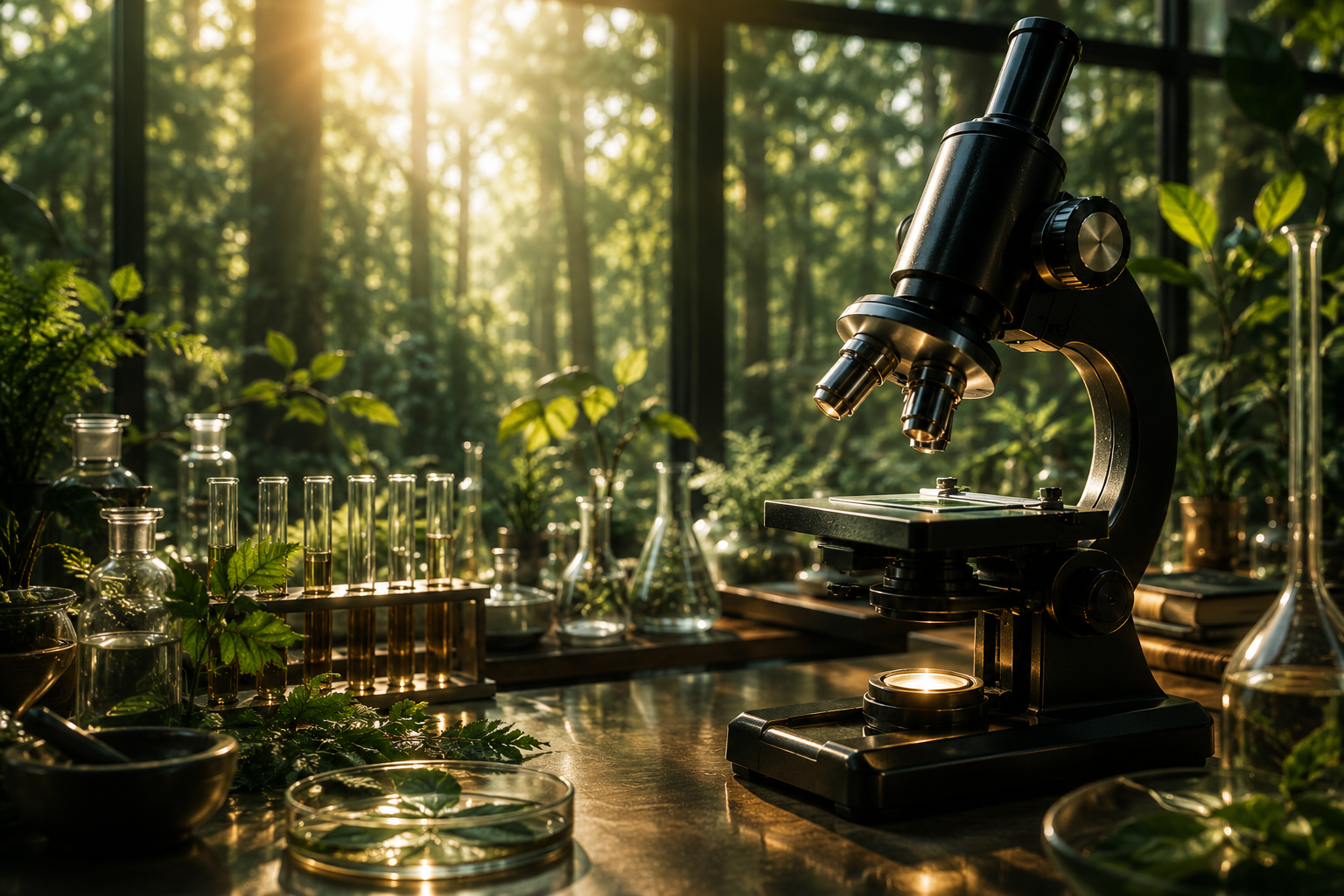
SCIENCE / RESEARCH
From observation to understanding.
From understanding to responsible use.
At MICROBA, research begins with reality: observe what is living, ask a clear question, test it carefully, and allow evidence to refine what we think we know.
OUR RESEARCH PILLARS
Research is more than collecting data. It is a way of protecting the relationship between what we observe, what we claim, and what the evidence can actually support.
We begin with living systems, natural materials and real environments—observing before deciding what they mean.
Questions become testable through transparent methods, measurement, repeatability and appropriate controls.
Research becomes useful when findings can be understood responsibly and translated into meaningful real-world benefit.
We consider the wider relationships around any discovery: people, ecosystems, sourcing, continuity and future generations.
AREAS OF RESEARCH
Our public research direction spans biological systems, natural compounds and responsible translation. Each area is treated as part of a wider living context.

Explore plant, microbial and naturally occurring compounds while preserving the context in which they are found.

Study microbial communities as interacting ecosystems rather than isolated organisms alone.

Investigate mechanisms, interactions and pathways that may help explain observed biological behaviour.
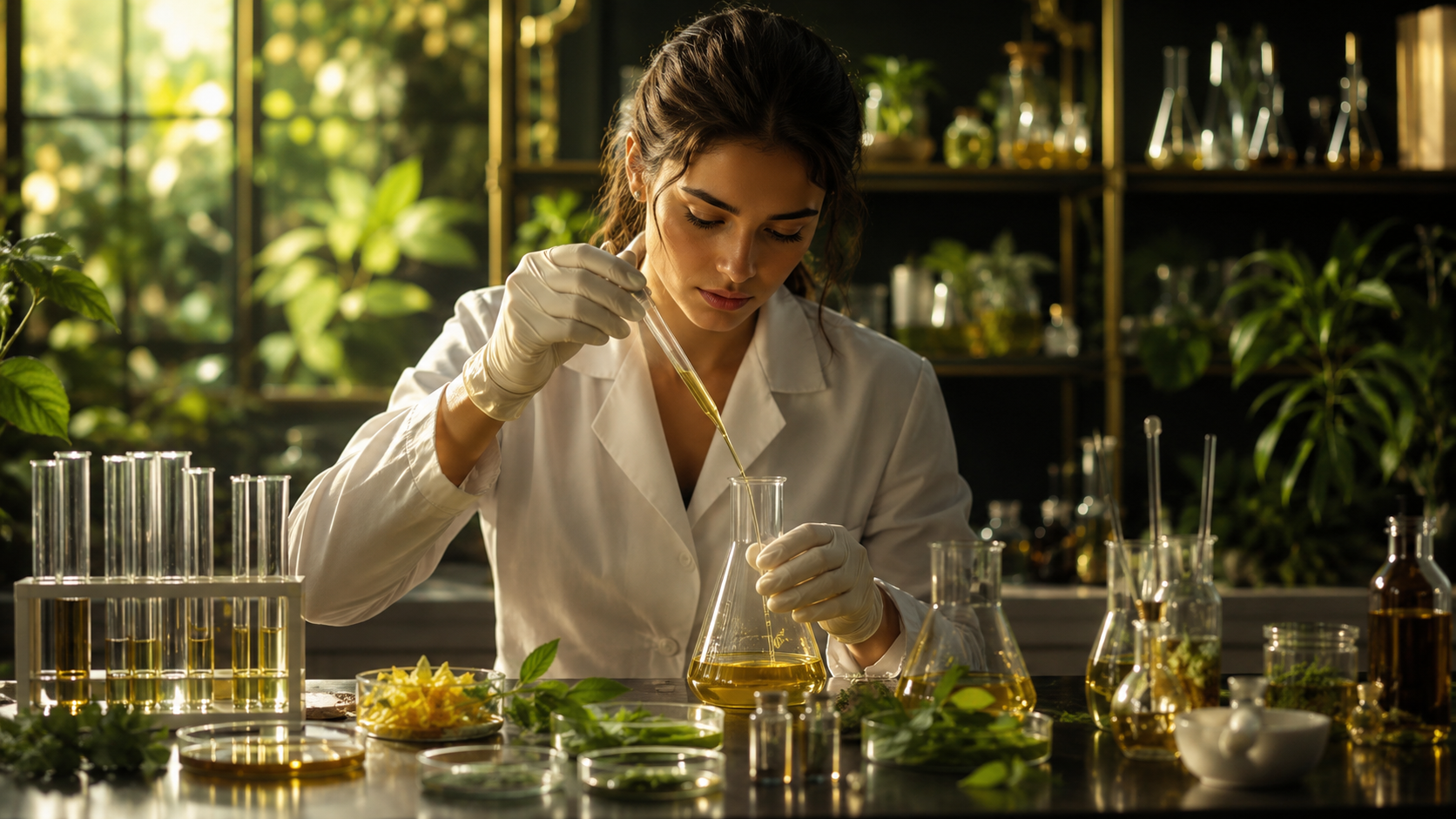
Translate selected findings into stable, purposeful formulations that can be tested and refined responsibly.

Consider sourcing, environment, culture, research integrity and long-term consequences alongside scientific progress.

RESEARCH IN FOCUS
A research direction, not a predetermined conclusion.
Natural materials can carry long histories of use, culture and observation. Scientific investigation helps separate promising signals from assumptions by examining composition, mechanism, consistency, safety and context.
OUR RESEARCH APPROACH
The process is iterative. A result does not end inquiry; it improves the next question.

Begin with what is happening. Notice patterns, context, variation and relationships before forming conclusions.
Turn observation into a clear question and a testable explanation that can be challenged by evidence.
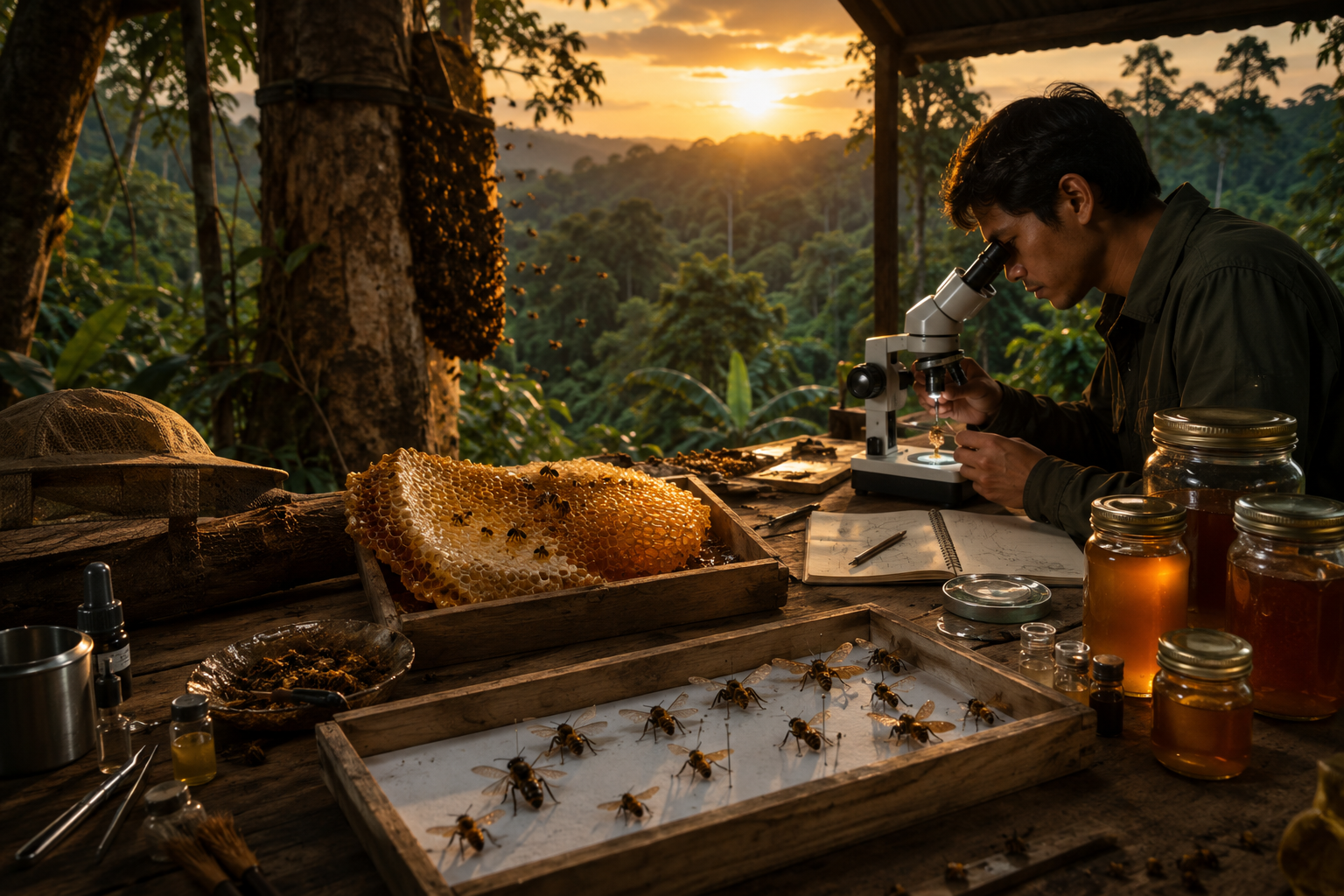
Collect samples, examine mechanisms and document methods with enough precision to understand what changed.
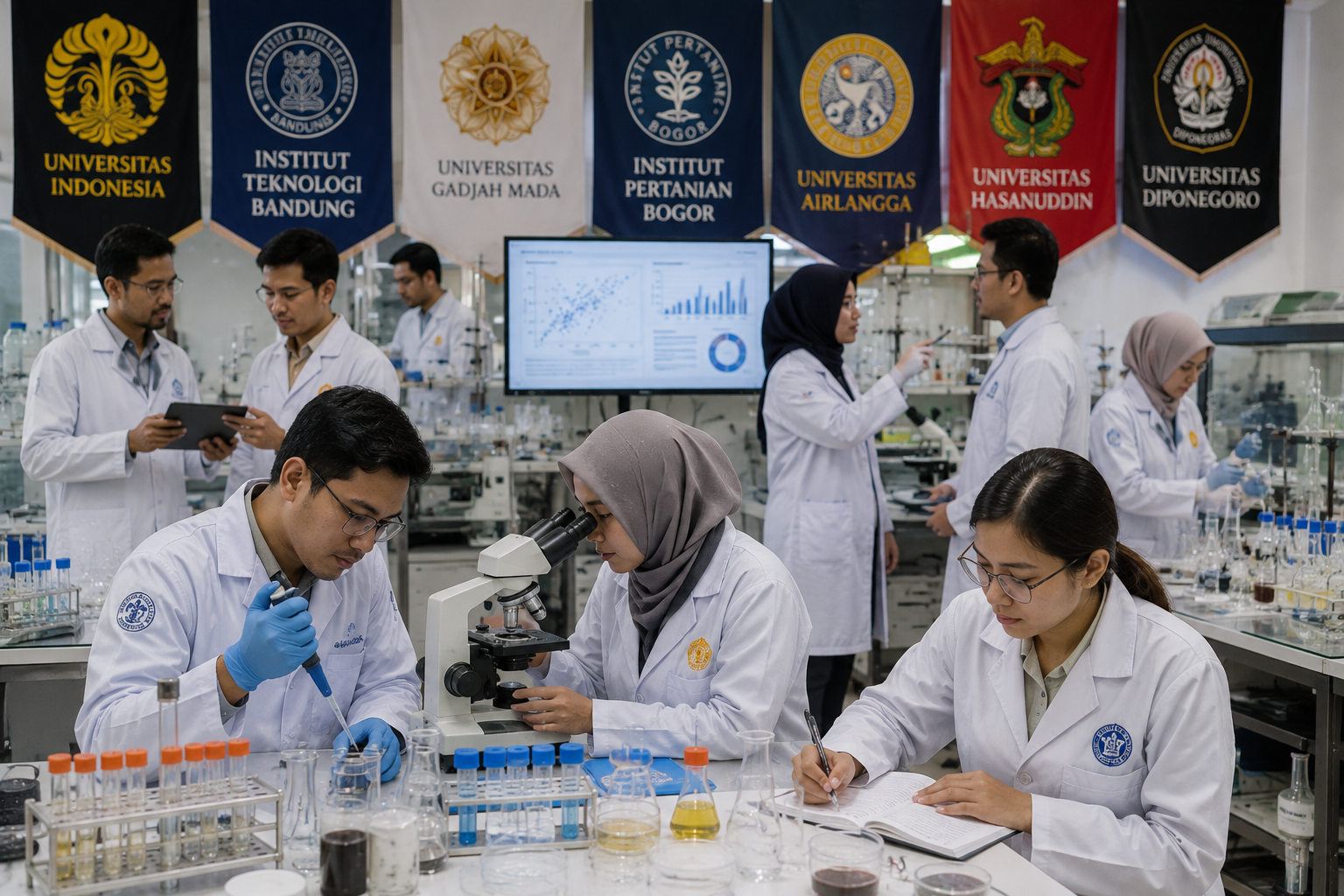
Analyse results, compare evidence, repeat where appropriate and distinguish what is supported from what remains uncertain.
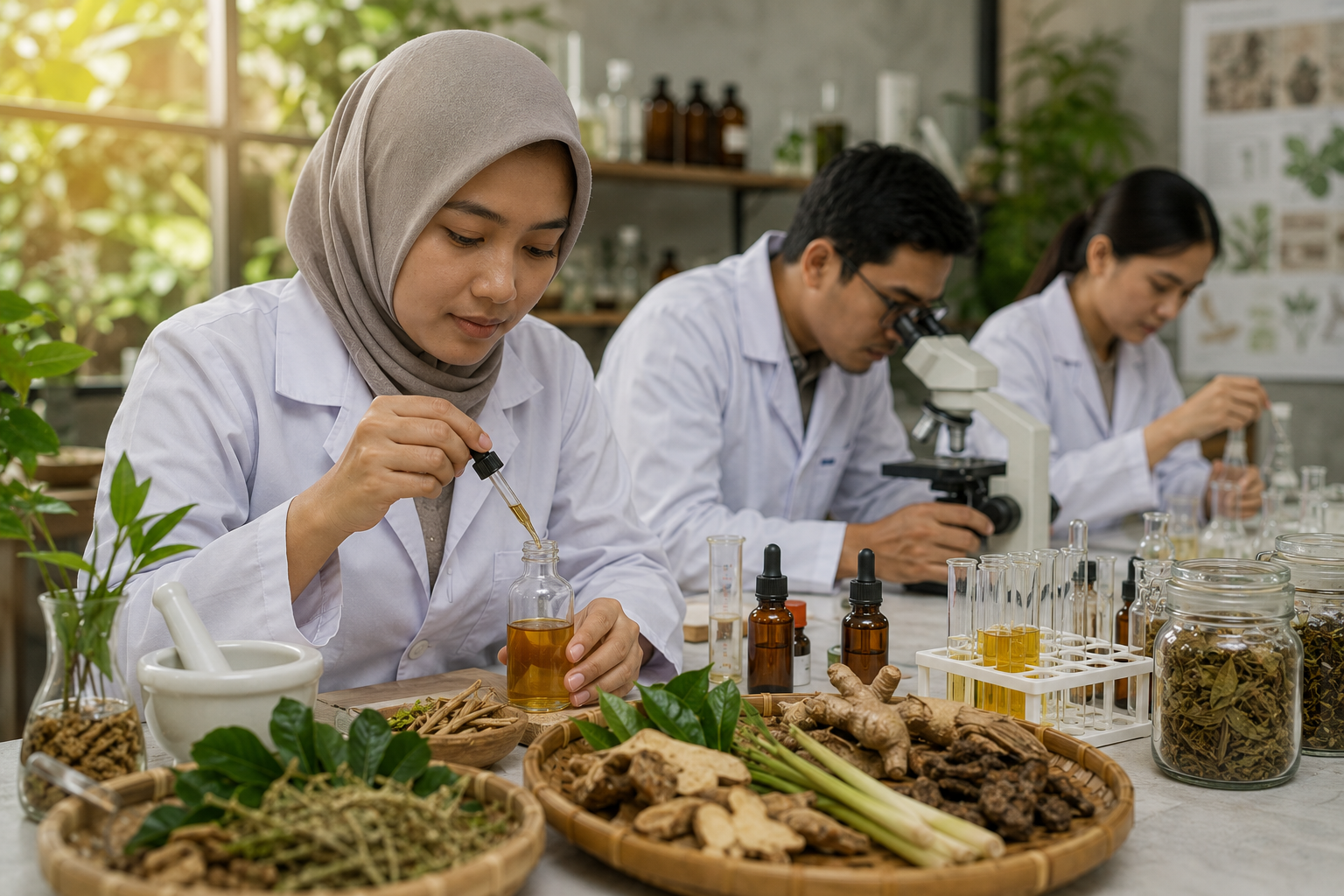
Translate validated understanding into responsible use while continuing to observe outcomes and limitations.
WHAT WE PROTECT
MICROBA can explore emerging ideas without presenting them as established fact. Uncertainty is not a weakness in research; it is information that tells us what must be investigated next.

RESEARCH WITH PURPOSE
Explore the science behind living systems, or start a conversation about research, evidence and collaboration.