
Skip to content

STAGE 2 — TRANSITION

TRANSITION

Moving into the original habitat.

Living potential leaves its previous condition and encounters the relationship, habitat or boundary required for what comes next. The forms differ. The movement is the shared pattern.

EXPLORE THE FOUR PERSPECTIVES

FOUR PERSPECTIVES

One Stage, Four Forms of Movement

TRANSITION is not one biological mechanism. It is a shared stage pattern expressed differently through MICROBA, HUMAN, UNIVERSE and PLANT.

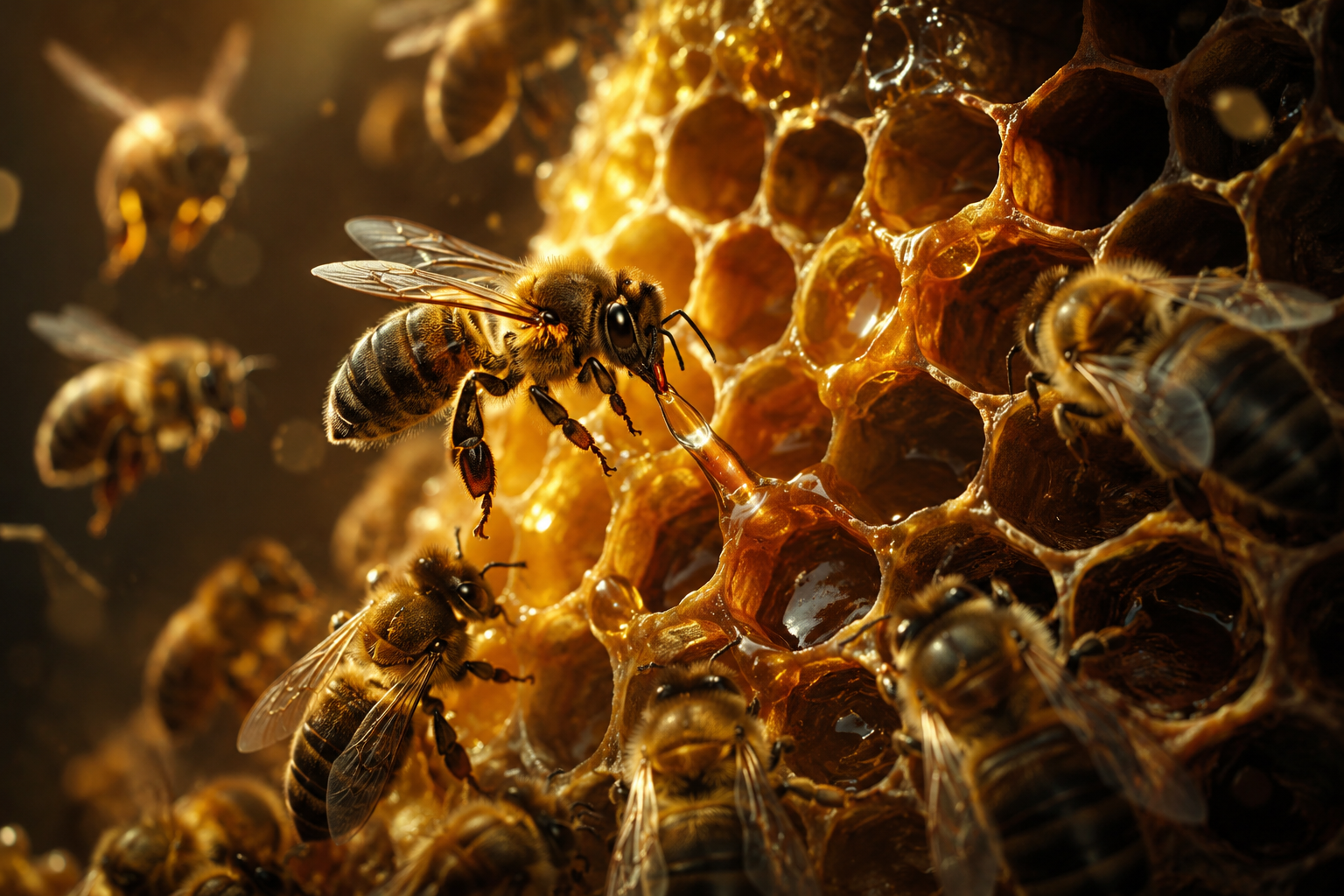
Honeybees working around nectar-filled honeycomb representing the MICROBA perspective of Transition.
MICROBA

Released into the Honeycomb

Entering a new storage environment

Nectar, bee contact and associated microorganisms move into the comb, where processing and storage create a different ecological condition.

VIEW PERSPECTIVE
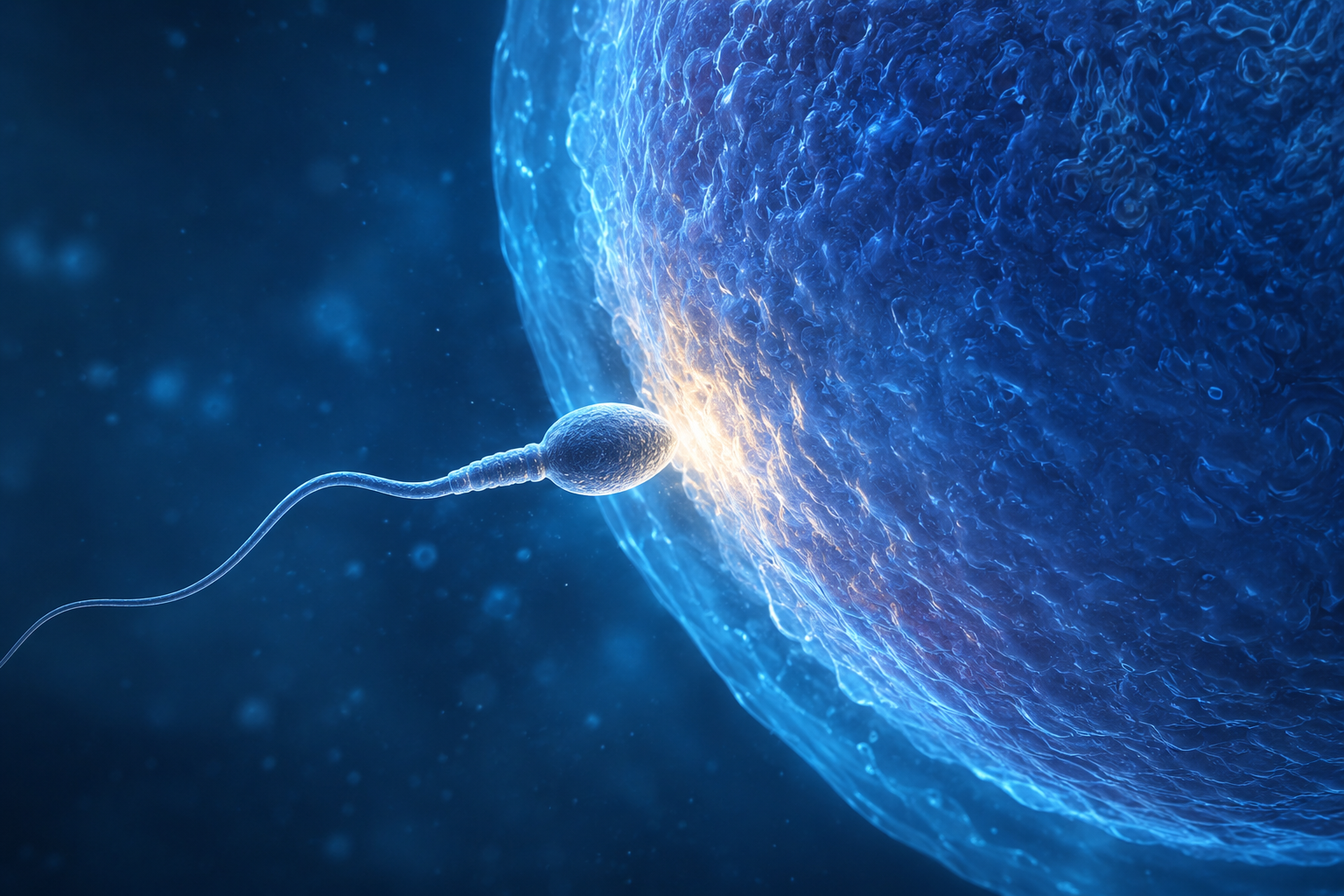

A sperm cell approaching an ovum in a deep blue microscopic environment representing the Human perspective of Transition.
HUMAN

The Mother’s Ovum

Encounter, recognition and fusion

The sperm reaches the ovum and fertilisation establishes a new zygotic state from two specialised reproductive cells.

VIEW PERSPECTIVE
A deep red sunset at the horizon representing the Universe perspective of Transition.
UNIVERSE

Maghrib — Entering the Red Horizon

Daylight crosses a visible boundary

The sun reaches the horizon and direct daylight gives way to the red and orange transition of sunset and twilight.

VIEW PERSPECTIVE
A seed settling into dark moist soil representing the Plant perspective of Transition.
PLANT

The Seed Enters the Soil

Arrival in suitable habitat

Dispersal ends as the seed reaches and becomes established in a substrate where later rest or germination may become possible.

VIEW PERSPECTIVE

WHAT TRANSITION MEANS

Movement With Meaning

Movement alone is not continuation. The important change is that potential reaches a condition in which the next stage can become possible.

01 Leave the previous condition

Transition begins when potential is no longer held only within the condition that formed or carried it.

02 Meet the required boundary

The next possibility depends on reaching the relationship, habitat or temporal boundary relevant to that form of life.

03 Become established for what follows

Transition is not the endpoint. It positions potential so the next protected or resting stage can begin.

LIVING CONTINUATION

The Journey Continues

TRANSITION carries potential out of ORIGIN and toward DORMANCY. It is the passage between being formed and becoming established in the next condition.

1

ORIGIN

Potential is formed or held.

2

TRANSITION

Potential moves into the next condition.

3

DORMANCY

Potential rests or develops in protected conditions.

4

AWAKEN

Potential responds and begins to emerge.

5

CONTINUE

Life lives, grows and contributes.

6

RETURN TO ORIGIN

Suitable conditions renew continuation.

NEXT STAGE

DORMANCY

Potential rests or develops within the conditions reached through transition.

ENTER DORMANCY